
In short
In a warehouse or factory I work to an ongoing plan. I place numbered monitoring stations around the building and along the inside walls, draw a map, and at every visit record what each station shows and what I did. You can see how things change from visit to visit. I also handle loading docks, pigeons under the roof and hotspots like the staff kitchenette, coordinated with the shift manager.
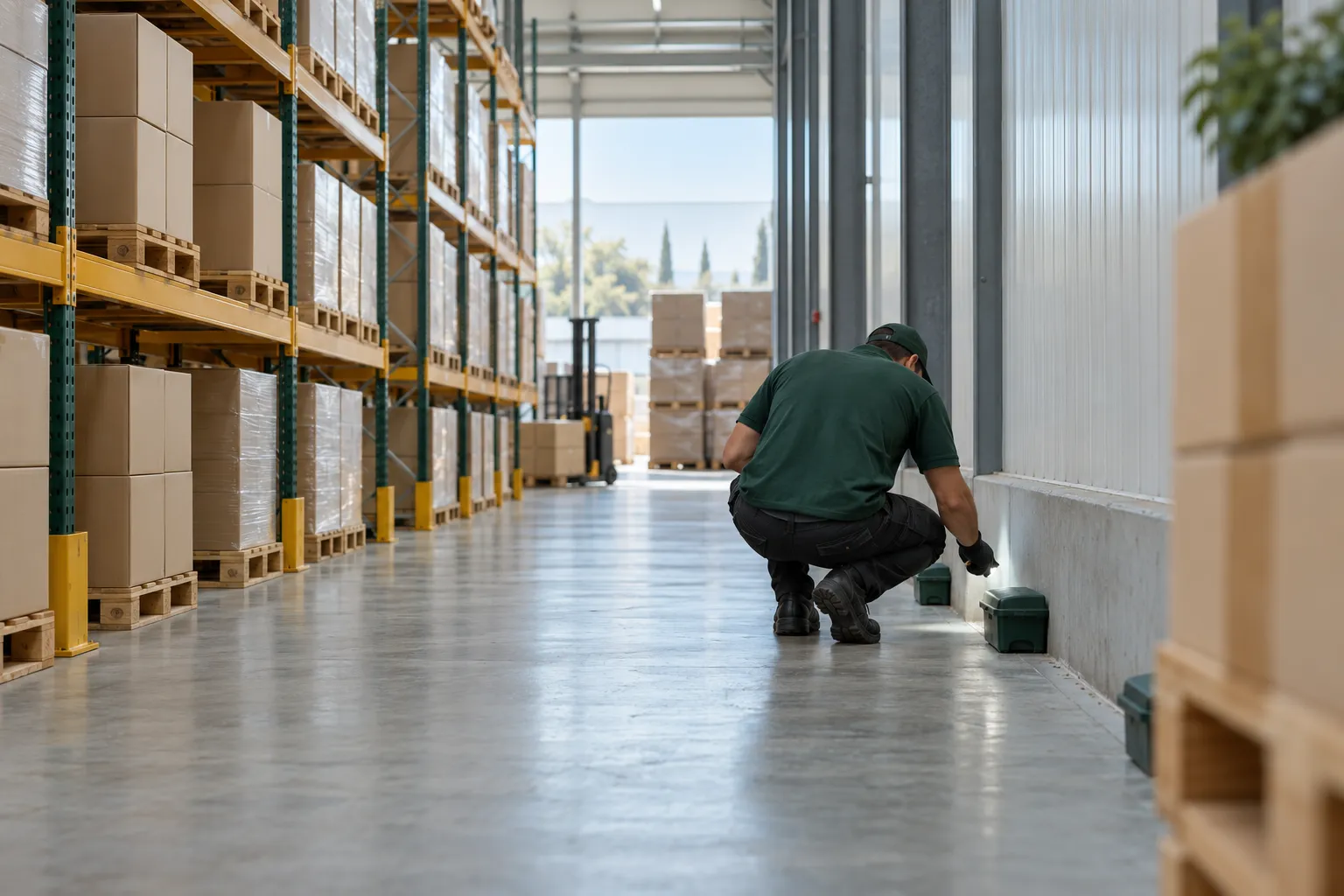
A large warehouse has everything a rodent needs: cardboard to nest in, wooden pallets nobody moves, spilled food and dock doors left open for hours. Spraying the building doesn’t help here, and certainly not near goods. What works is steady monitoring that shows where the rodents are and where they get in.
So I build a plan for every warehouse: numbered stations at fixed points, a map showing where each station is, and records of every visit. After a few visits the map shows where the pressure is: the side facing open ground, a particular loading dock, the waste area. That’s where the sealing and treatment effort goes.
These records work for you too. A client’s auditor, an inspector or a quality audit usually ask the same questions: where the stations are, what was found in them and what was done. When the file is updated after every visit, you can show all of that without hunting for it.
Loading docks and doors left open
A dock door that stays open all shift is an opening the size of a truck. Rodents come in at night, pigeons during the day, and flies are drawn to the lights over the dock in the evening. Rubber seals and brushes in good condition at the bottom of the doors go a long way toward closing the gap.
Goods and pallets pushed against the wall
Goods stacked against the wall hide what’s going on behind them. With a clear aisle along the walls, you can see droppings, gnawing and stations, and you can clean. Empty wooden pallets piled outside against the wall are a permanent nesting spot.
Stored product pests in dry goods
Moths and beetles arrive with flour, grains, rice, spices and pet food, and move quietly from pallet to pallet. What helps here is inspecting incoming goods, rotating stock by date, and finding the infested pallet before any treatment.
Waste, the compactor and the staff kitchenette
The waste and compactor area attracts rodents, flies and wasps. The staff kitchenette and the shift showers are where the cockroaches live. These are small corners of a large building, and quite often that’s where the problem starts.
High roofs and steel beams
The steel beams under the roof are a resting place for pigeons, right above the goods. The droppings fall on pallets and boxes, and that’s a finding quality auditors notice fast.
Requirements vary with the type of business and with your clients. These are the points that come up in almost every warehouse and factory. Check your exact requirement with whoever audits you.
A licensed exterminator only
Under Israel’s 2016 law regulating sanitary pest control work, sanitary pest control in a business must be carried out by an exterminator licensed by the Ministry of Environmental Protection. Before every treatment I give you the product name, the risks and what’s required of your staff.
Businesses that store food
A food warehouse or food factory operating under a business license is also inspected for pest prevention. An inspector expects to see regular pest control and records of it, not just a building that looks clean.
Client audits and quality standards
A business that runs a food safety management system such as HACCP, or that goes through an audit by a retail chain or a large client, is usually asked to show a station map, a visit log, a product list and corrective actions. I organize the file so it’s easy to present.
- 1
On-site survey
I walk through the building with the warehouse manager or the maintenance person: the perimeter, loading docks, waste area, kitchenette, roof and sensitive goods. I mark openings, pressure points and places that already show signs.
- 2
A map and numbered stations
Outside, locked bait stations along the perimeter. Inside, traps and non-poison monitoring stations along the walls, by the doors and near sensitive areas. Every station gets a number, and every number is marked on the map.
- 3
Sealing and maintenance recommendations
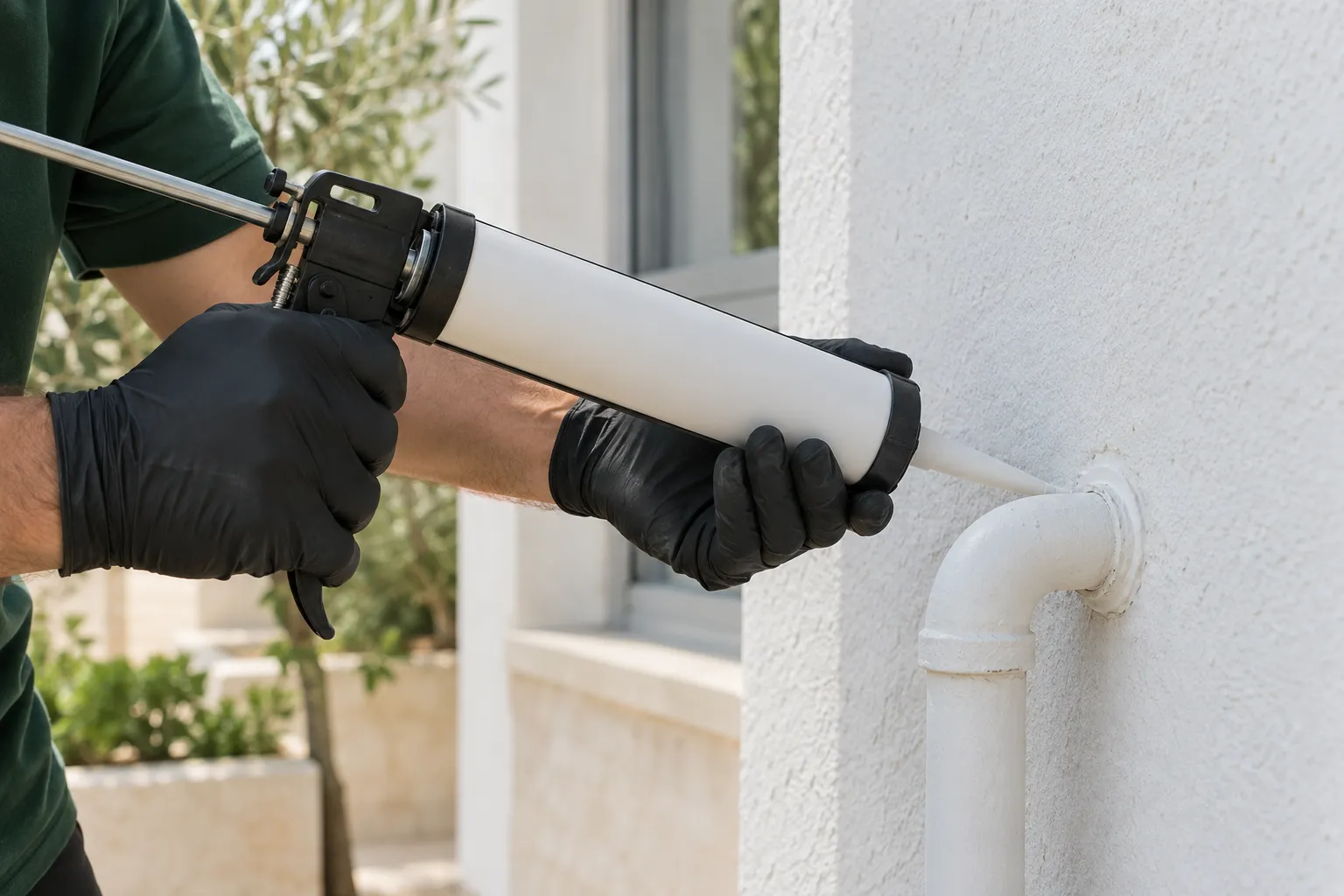
Some openings I seal myself. Others, like a dock door that doesn’t close all the way or a torn rubber seal, I write up as a maintenance recommendation, with the location and a photo.
- 4
Regular visits and records
At every visit I check each station and record what I found in it and what I did. When there’s repeated activity in one area, I focus on it until it stops.
- 5
Treating hotspots
Cockroaches in the staff kitchenette, pigeons under the roof or a pallet with stored product pests each get their own treatment, coordinated with the shift and without touching the goods.
 Rodents The main pest in warehouses. They get in through loading docks, pipe openings and the bottom of sheet-metal walls, and nest in cardboard and pallets. The numbered stations show which side they’re coming from.From ₪350
 Pigeons They land on the roof beams and above the loading docks, and soil goods and pallets. I close off the landing areas with netting and spikes, depending on how the roof is built.From ₪1,200
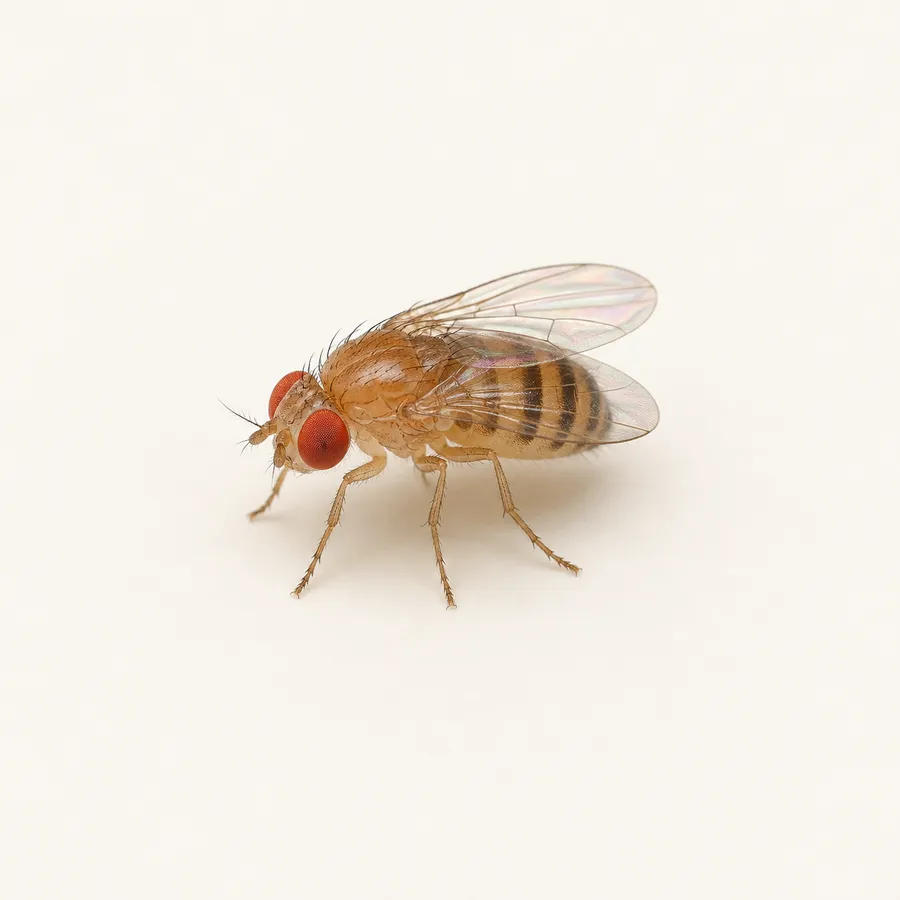 Flies and gnats Drawn to the waste area and the lights over the loading docks. Placing the lights correctly and removing waste regularly do most of the work, and I treat the breeding spots.From ₪350
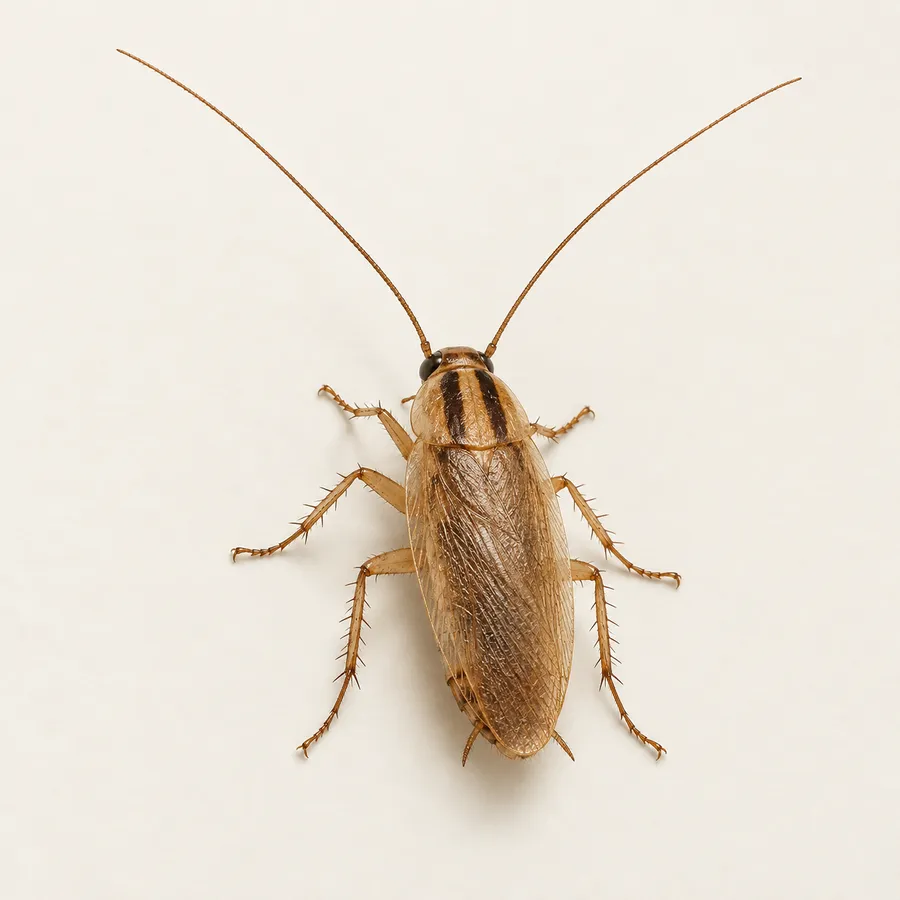 Cockroaches Mostly in the staff kitchenette, the showers and the drains. In a large building I treat these hotspots separately, and I don’t spray the storage hall.From ₪350
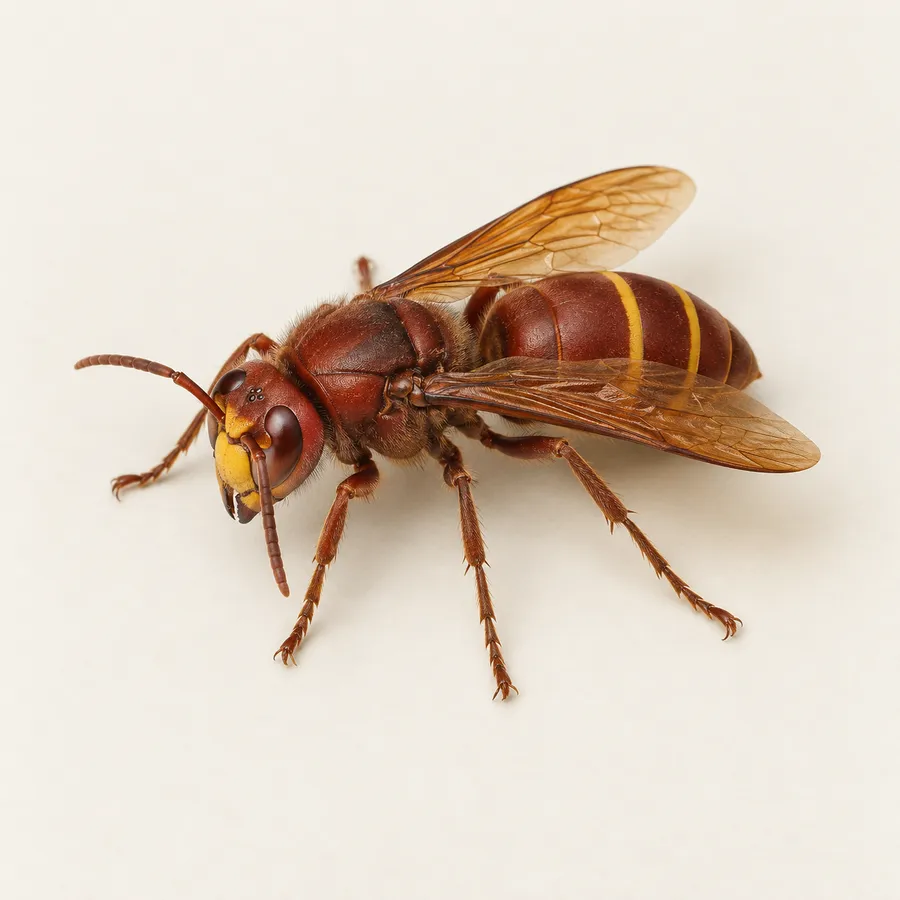 Wasps and bees Wasps build nests in cavities in the walls and roof, and Oriental hornets hang around trash bins and leftover sweet drinks. A worker stung near the loading dock is a safety incident, so I deal with the nest quickly.From ₪350
Nothing applied to goods
I don’t spray goods, pallets or packaging. In food storage areas I work with traps and non-poison monitoring stations, and toxic bait stays outside, in locked stations.
Your safety rules
I follow the site rules: high-visibility vest, forklift lanes and restricted areas. If a platform or a lift is needed to reach the roof beams, we’ll arrange it in advance.
Safety data sheets for products
Every product I use in the warehouse has a safety data sheet, and I pass it on to your safety officer for the file.
Stations the forklift leaves alone
Shift workers need to know what a numbered station is and why it stays where it is. A station pushed aside leaves a hole in the map, so I mark the stations clearly.
Working around your shifts. I coordinate visits with the shift manager, at times when the loading docks are less busy. In a factory that runs nonstop I go area by area, so the line doesn’t stop. A treatment that requires clearing a space is scheduled for a Friday or a planned shutdown.
For warehouses and factories the price is set after an on-site survey, based on the size of the building, the number of stations and how often I visit. The prices here are a starting point. After the survey you get a quote with a fixed price per visit.
| Property or treatment | Price |
|---|---|
| Small warehouse or storage unit, rodent treatment | From ₪550 |
| Setting up a monitoring plan: numbered stations and a map Most common | From ₪950 |
| Periodic visit under an existing plan | From ₪450 |
| Factory or logistics center, based on an on-site survey | From ₪1,500 |
What changes the price
- The size of the building and the number of stations outside and inside
- Visit frequency: monthly, every two months or quarterly
- Pigeons on the roof and work at height
- Record-keeping requirements from a client or a standard
Dry food warehouse
Droppings next to rice pallets, two weeks before an audit
I mapped the warehouse and placed numbered stations. After a week it was clear that all the activity was coming through one dock door with a torn rubber seal. Maintenance replaced the seal, and I sealed two openings at the bottom of the sheet-metal wall.
They went into the audit with an up-to-date map and a complete visit log.
Logistics center
Pigeons above the picking area
A flock of pigeons was perching on the roof beams above the picking area, and the droppings fell onto boxes. I closed off the landing areas with netting along the beams, in work coordinated with the shift.
The pigeons stopped landing above the goods.
How often should the monitoring stations in a warehouse be checked?
It depends on the type of business and on what your clients require. In a food warehouse or food factory a monthly visit is the norm, and for a warehouse of non-food goods every two months or once a quarter is sometimes enough. When the stations show activity, I increase the frequency until it stops.
A client is sending us a quality auditor. What will they ask to see?
Usually an up-to-date station map, a visit log with a finding for each station, the list of products with their safety data sheets, a copy of the exterminator’s license, and the maintenance recommendations I gave along with what was done about them. I update the file after every visit, so you don’t have to pull it together at the last minute.
Can toxic bait be used inside the warehouse?
Not in food storage areas. Inside I use traps and non-poison monitoring stations, because a rodent that ate bait can die inside a pallet of goods, and quality auditors don’t want to see poison near food. Toxic bait stays in locked stations around the outside perimeter.
Will the treatment stop work in the warehouse?
Almost never. Station checks and sealing openings happen while work goes on, and I keep the shift manager posted on which aisle I’m in. Only work above the racks, like pigeon netting, means closing an aisle for a short time, and we schedule that in advance.
We found insects in sacks of flour. What do we do first?
First isolate the pallet: take it off the rack, wrap it in plastic and don’t move it to another area. Then check the neighboring pallets and the goods that came in the same delivery. The warehouse doesn’t get sprayed, because the problem is inside the packaging. What to do with the infested goods is your decision, together with the supplier and according to your food safety procedures.
Our warehouse is next to fields and open land. Can rodents be kept out at all?
You can’t get rid of the pressure from outside, but you can stop it at the wall. In a warehouse like that I place the stations closer together on the side facing the fields, ask for pallets and garden waste to be moved away from the wall, and focus on sealing the bottom of the sheet-metal walls and the doors. Activity in the outside stations with none inside is a sign the defense is working.
We switched exterminators. What happens to the existing stations and map?
I start with a survey. Intact stations in a sensible spot get numbered according to my map and stay in use, and stations that are broken or in a spot that doesn’t work get replaced. If the stations belong to the previous exterminator, we’ll coordinate the switch so there isn’t a week without monitoring. Keep the old records, because they show the auditor continuity.
We have offices and a kitchenette in the same building. Are they part of the plan?
Yes. The kitchenette, the dining room and the staff showers go on the same map, because that’s often where the cockroaches and mice in the warehouse come from. In a mixed building I plan the visit so the offices are treated after working hours and the warehouse during the shift.