
In short
In a shared building, pests move between floors through plumbing shafts, the bin room, manholes and the parking garage, so treating one apartment or the stairwell alone doesn’t hold. I start with a survey of the common property, seal openings, treat the bin room and manholes, and book the affected apartments for the same treatment day. The committee gets a report after every visit and a ready notice for residents.
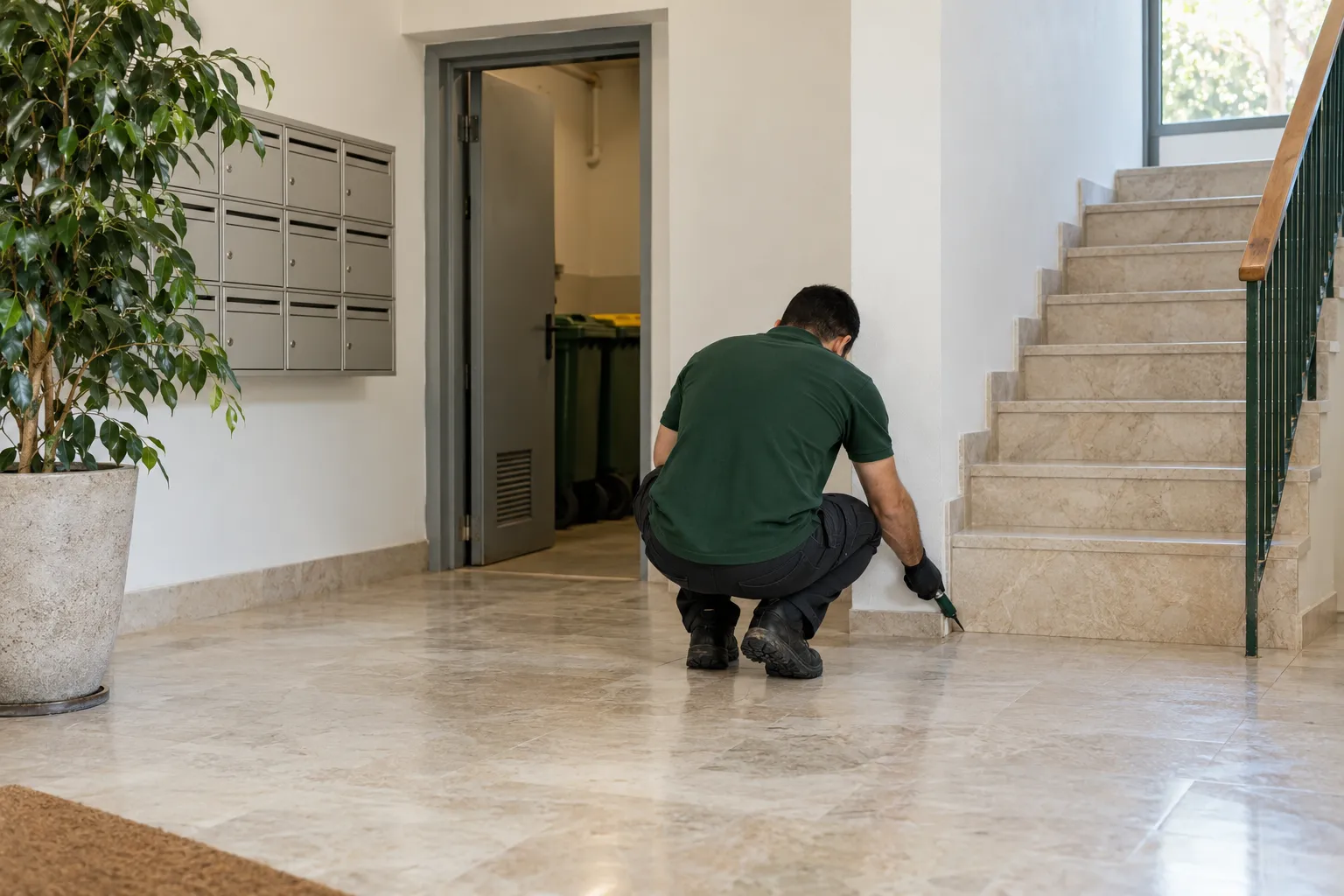
A shared building is one habitat. The plumbing shafts, the garbage chute, the parking garage and the manholes link the floors through passages no resident ever sees. After an apartment on the third floor is treated, cockroaches can turn up on the fifth two weeks later, because the treatment reached only one part of a connected system.
Most buildings have two separate problems. The American cockroach lives in the wet systems, in the manholes, the sewer collectors and the parking garage, and comes up from there at night. The German cockroach lives inside the apartments’ kitchens and hardly ever goes out into the stairwell. Each needs a different treatment, and in a building both have to be dealt with in the same window of time.
The common property, from the bin room to the roof, is maintained by the building committee, and pest control for it is a regular maintenance expense paid from the committee’s fund. I work with the committee, give one price for all the common property, and schedule the apartments that need treatment for that same date.
The bin room and the garbage chute
A damp, dark room full of food, and a chute connecting it to every floor through hatches that don’t close all the way. Without a thorough wash, chute hatches that actually close and treatment at the bottom of the chute, treating the floors holds for a few weeks.
Sewer manholes and collectors
A broken or unsealed manhole cover is an open road for American cockroaches and rats. I open the manholes, treat them and check the covers.
Parking garage, storerooms and the elevator pit
Darkness, damp and cardboard. The elevator pit is almost never opened, and mice in the parking garage and the meter room also damage cable insulation. A recurring elevator fault is worth checking from this angle too.
Roof, AC units and garden
Pigeons nest under AC units and solar panels, wasps build nests in roller shutter boxes and sheltered corners, and a leaking drip line in the garden breeds mosquitoes that bite even at midday.
One apartment left untreated
German cockroaches or bed bugs in one apartment spread back to the whole floor. Without that resident’s cooperation, the treatment of the common property won’t hold as long.
These are the general principles. Your building’s bylaws can set different arrangements, so it’s worth checking them before you decide.
The common property is the committee’s responsibility
The Land Law defines as common property every part of the building that isn’t the apartments themselves, such as stairwells, the roof, the shelter and shared facilities. The building’s representative committee is responsible for keeping it properly maintained, and pest control is part of that.
How the cost is split
By default under the law, each apartment contributes to maintenance costs in proportion to its floor area. If the bylaws set a different split, an equal one for example, the bylaws apply. Treatment inside an apartment stays with the resident.
Only a licensed exterminator
Under the law regulating sanitary pest control, pest control must be carried out by an exterminator licensed by the Ministry of Environmental Protection. A committee member who sprays the stairwell or the parking garage on their own takes on a risk, and usually doesn’t reach the source anyway.
Information for residents before treatment
The exterminator must provide information about the product, the risks and what to do before and after the treatment. In a building, the committee passes this on to all residents and puts up a sign in the treated areas. I prepare the wording for you.
- 1
A survey of all the common property
The bin room, manholes, parking garage, storerooms, roof and garden. I identify the pest and mark entry points and sources of damp. It helps if the committee writes down beforehand where and when pests were seen over the last two weeks.
- 2
A plan and a quote
Before we start, the committee gets the scope, the number of visits, the method and one price for all the common property. Residents who want their apartment treated get a separate price.
- 3
Notice to residents
Ready-made wording from me for the building’s group chat and the sign in the lobby: date, time, areas, waiting time, and a request to keep children and pets away. Ideally it goes up at least two days before.
- 4
One concentrated treatment day
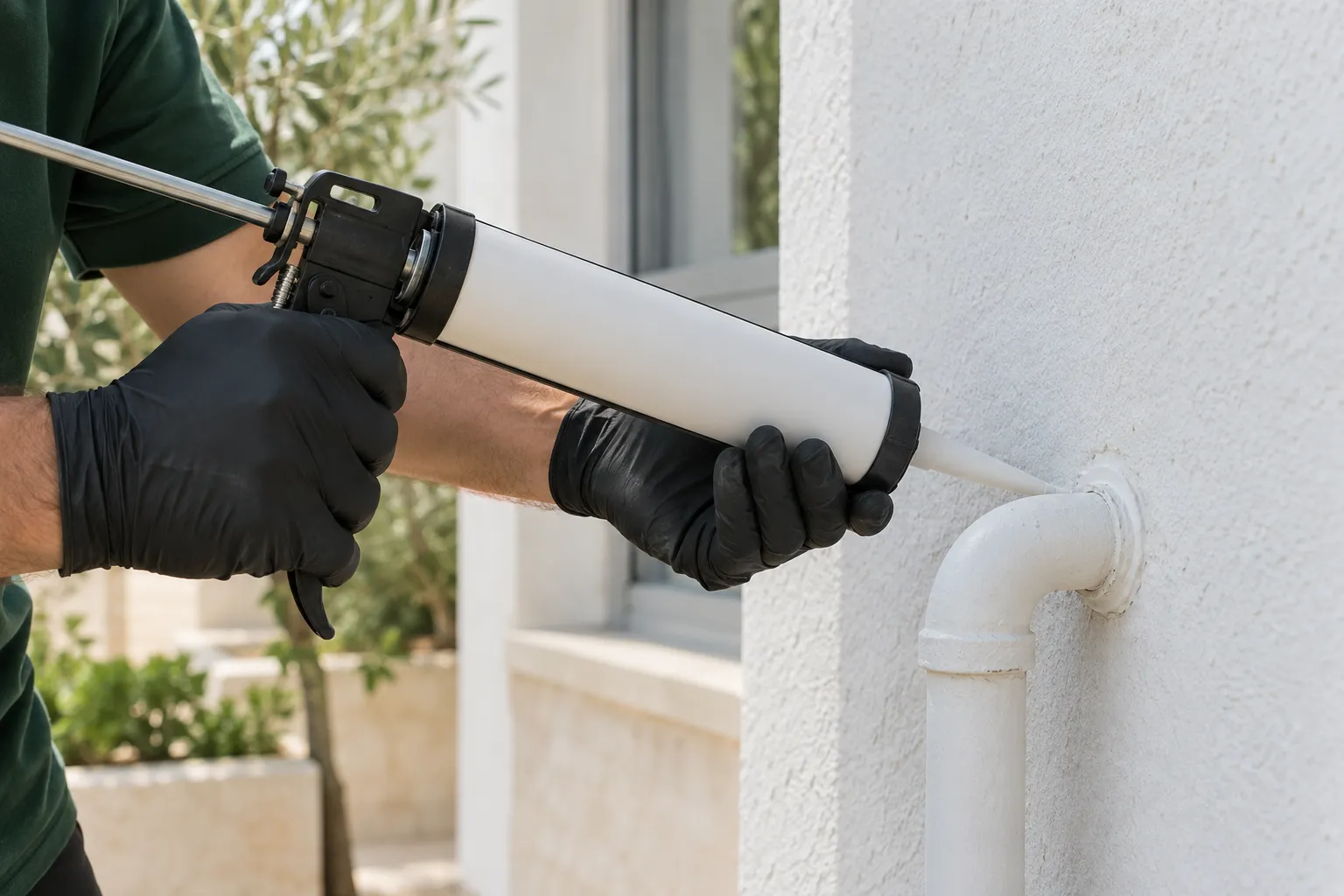
The common property and the affected apartments together, on one day or over a few days in a row, so the cockroaches have nowhere to run. I seal pipe passages, treat the manholes and the bin room, and set up locked, numbered stations.
- 5
Report and follow-up visit
After every visit the committee gets a report: what was found, what was treated and what should be fixed. On the next visit I check the stations, so you can see whether the activity is really going down.
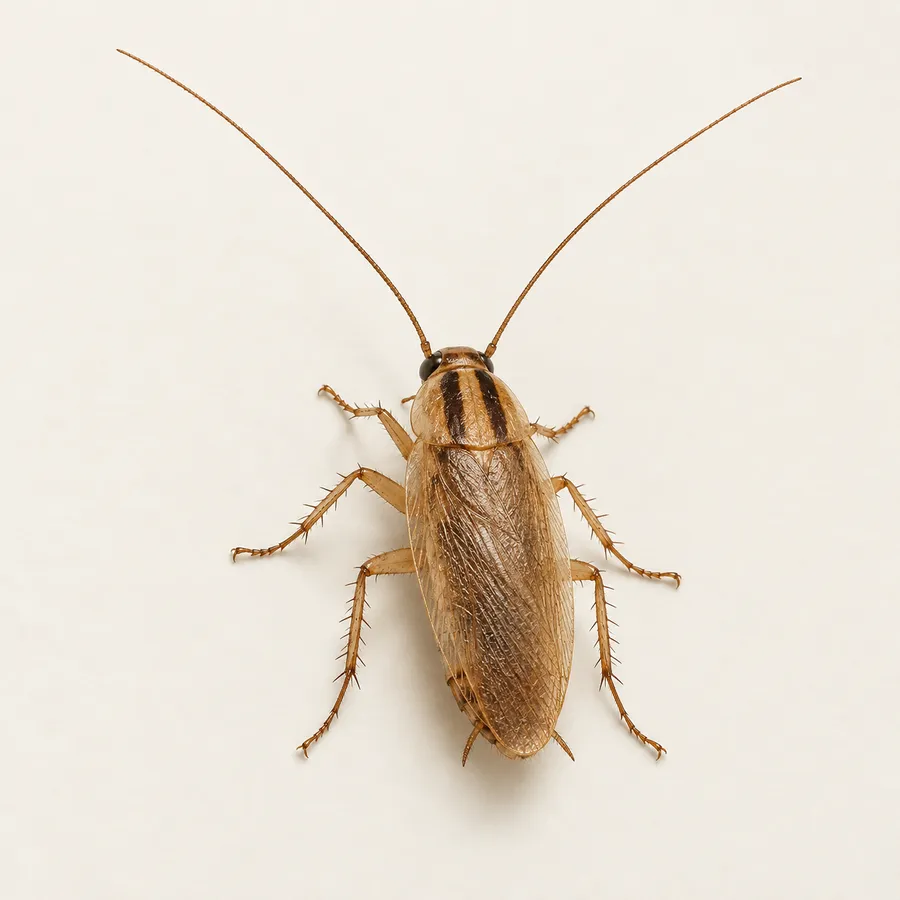 Cockroaches The American cockroach comes up from the manholes and the parking garage into the stairwell. The German one stays in the apartments’ kitchens. In a building, both are treated in the same week.From ₪350
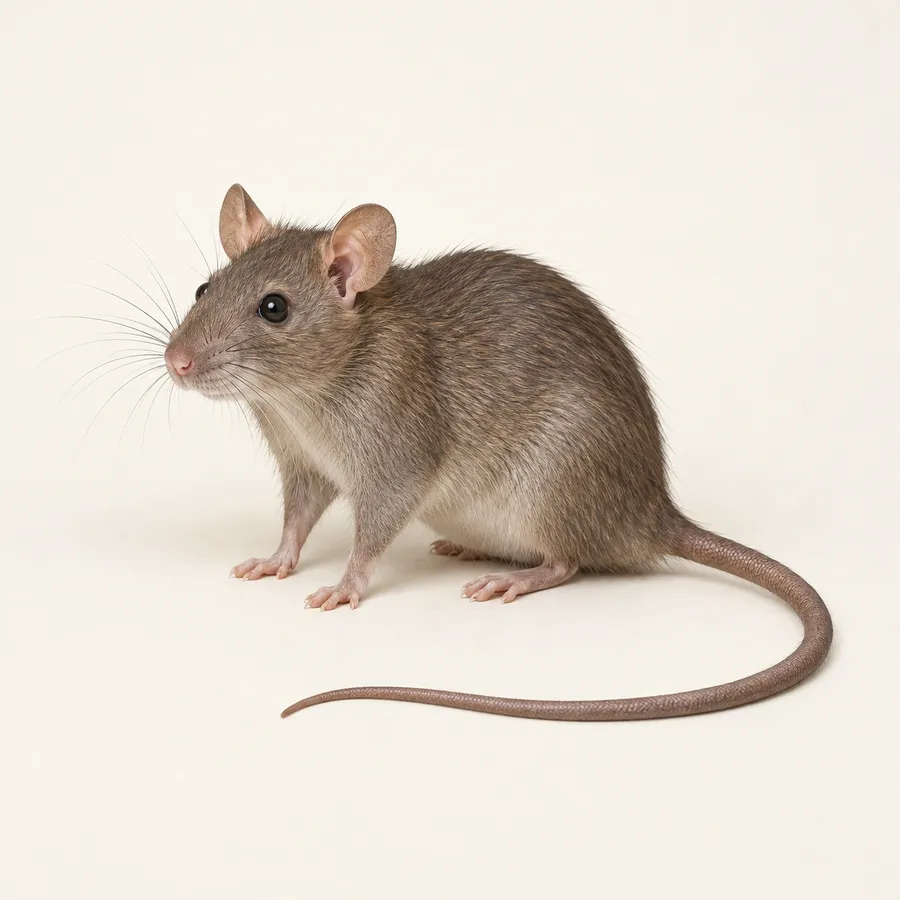 Rodents In the parking garage, the storerooms and the bin room. First the openings get sealed, then come locked, numbered stations, which also show the committee whether activity is going down.From ₪350
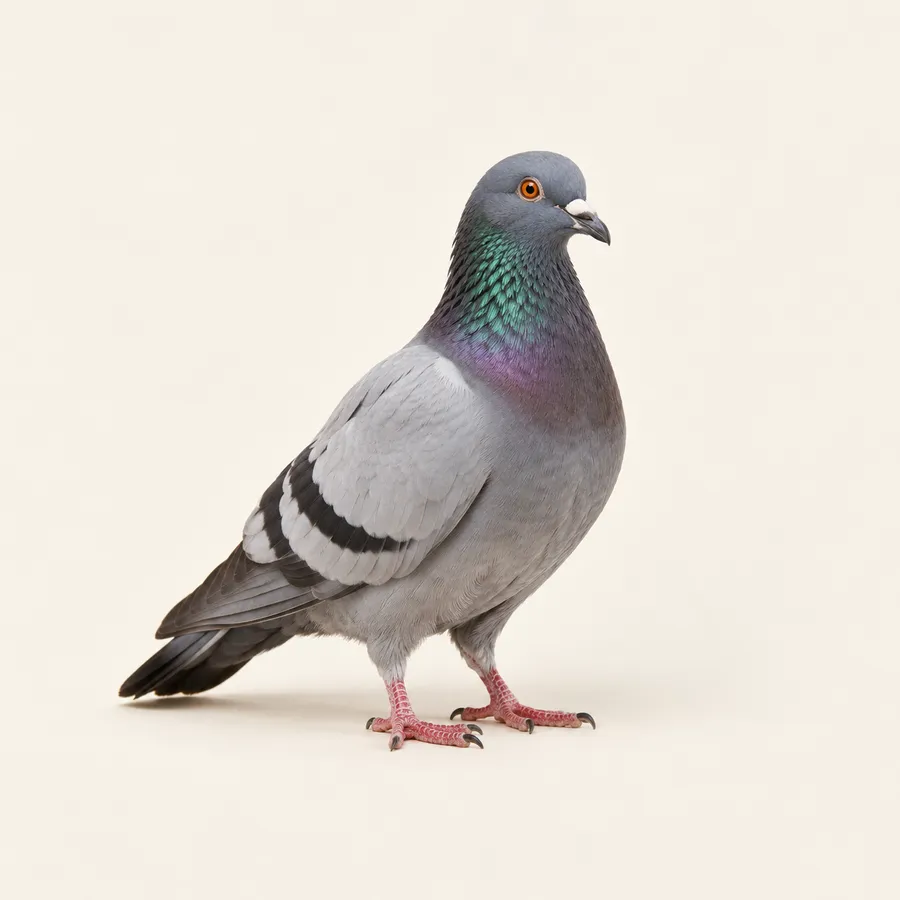 Pigeons On the roof, under AC units and solar panels, and on balconies. Netting and closing off gaps, with no poisoning.From ₪1,200
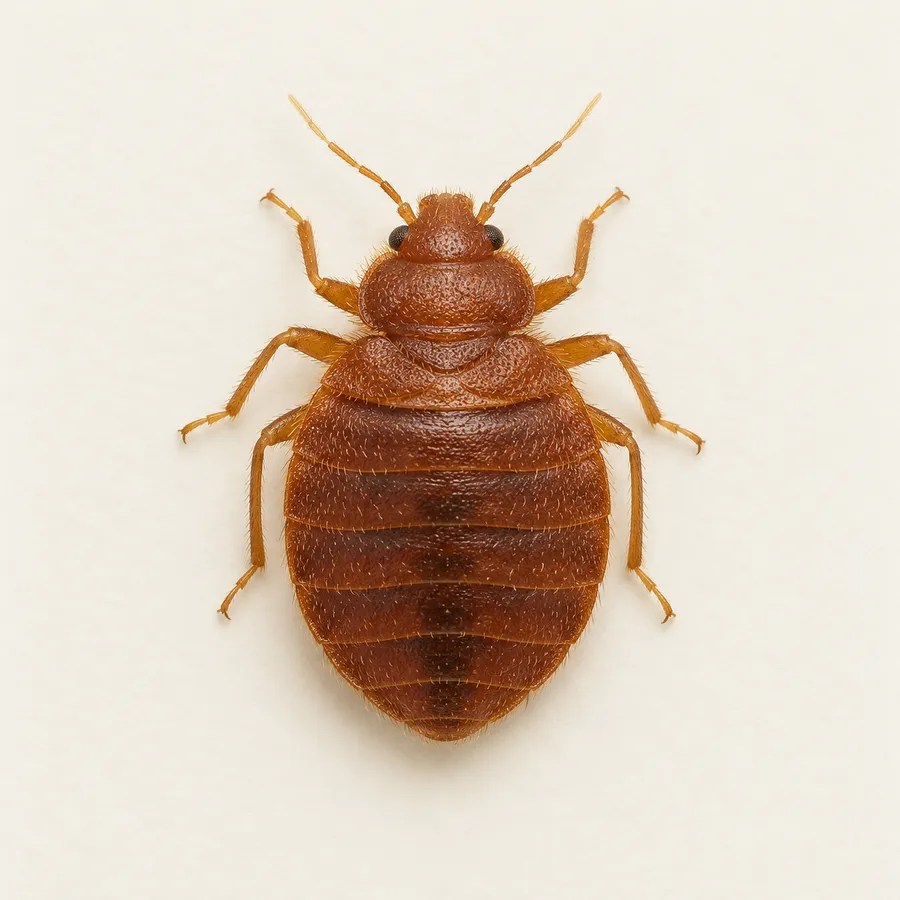 Bed bugs They move between apartments mostly with people and belongings, like a mattress carried out through the stairwell or second-hand furniture. When one apartment is infested, the neighboring ones get checked too.From ₪1,000
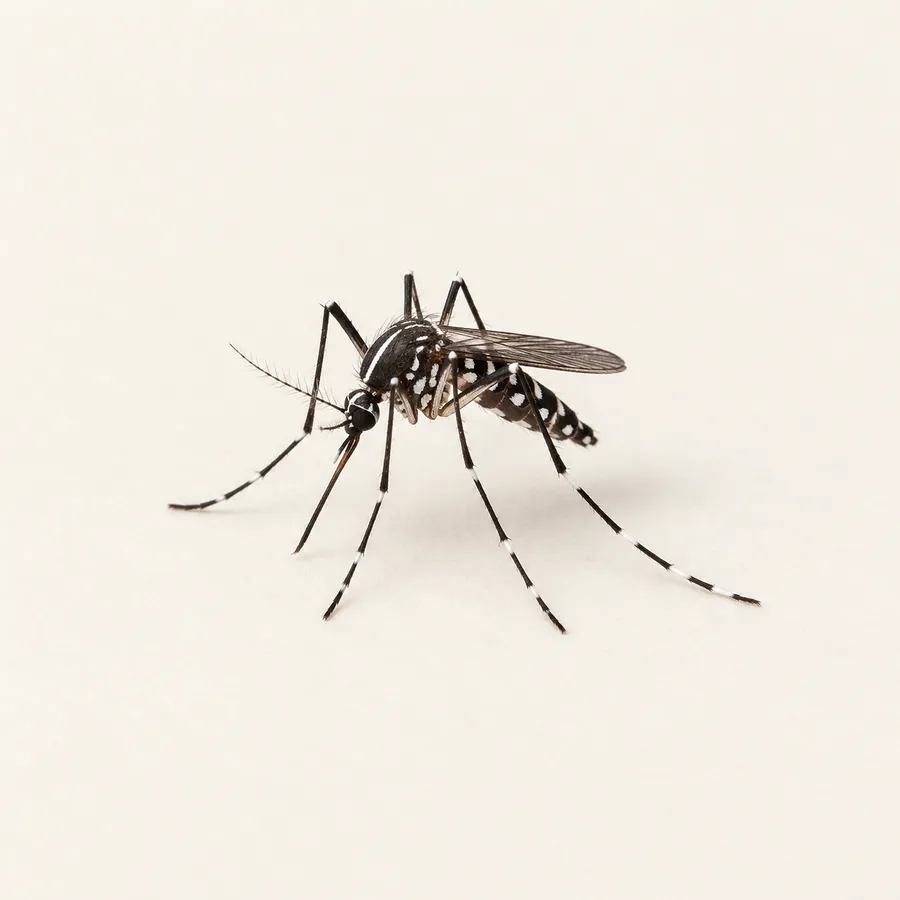 Mosquitoes They breed in leaking drip lines, drainage pits and plant saucers in the shared garden. Most of the fix is maintenance, with treatment only at the breeding spots.From ₪600
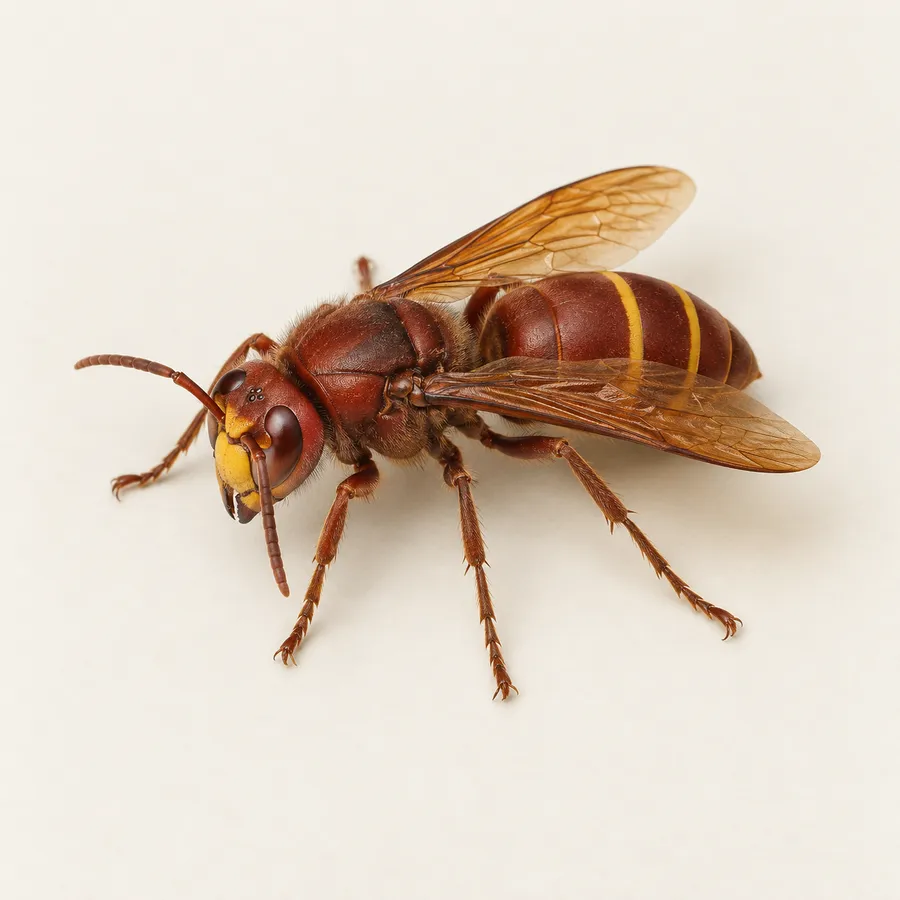 Wasps and bees Nests in roller shutter boxes, under the roof and in sheltered corners of the yard. A nest near the building entrance gets priority with me.From ₪350
Locked, anchored stations
Rodent bait goes only in closed stations that can’t be opened by hand, anchored in place and labeled. Never loose bait in the stairwell, a storeroom or the yard.
Signs and waiting time
A treated area is marked with a sign, and children and pets stay out of it until the end of the waiting time I give. The doors of the bin room and the storerooms stay closed.
Odorless products in the lobby
In the stairwell and the lobby, where people pass all day, I work with gel bait, bait in stations and odorless products. In the manholes and the bin room the approach is different, depending on the source.
Cats and birds in the yard
Loose bait also puts cats and birds at risk when they eat a poisoned rodent. That’s another reason I work only with closed stations, and place them far from feeding spots.
When the treatment is done. On a weekday morning, when most residents are at work and the children are at kindergarten and school. The notice goes up at least two days before, so families with babies and pets can get ready.
The price depends on what the building has, not just on the number of apartments. After the survey, the committee gets a quote from me for all the common property.
| Property or treatment | Price |
|---|---|
| Building up to 12 apartments, no underground parking | From ₪550 |
| Building with underground parking, storerooms and a garden Most common | From ₪850 |
| A tower or several buildings in one complex, based on an on-site survey | From ₪1,500 |
| An apartment joining the same treatment day, paid by the resident | From ₪350 |
What changes the price
- How much common property there is: parking, storerooms, garbage chute and garden
- The type of pest and how many visits it needs
- Permanent monitoring stations and periodic visits
- Access: keys to technical rooms, permitted working hours, a building without an elevator
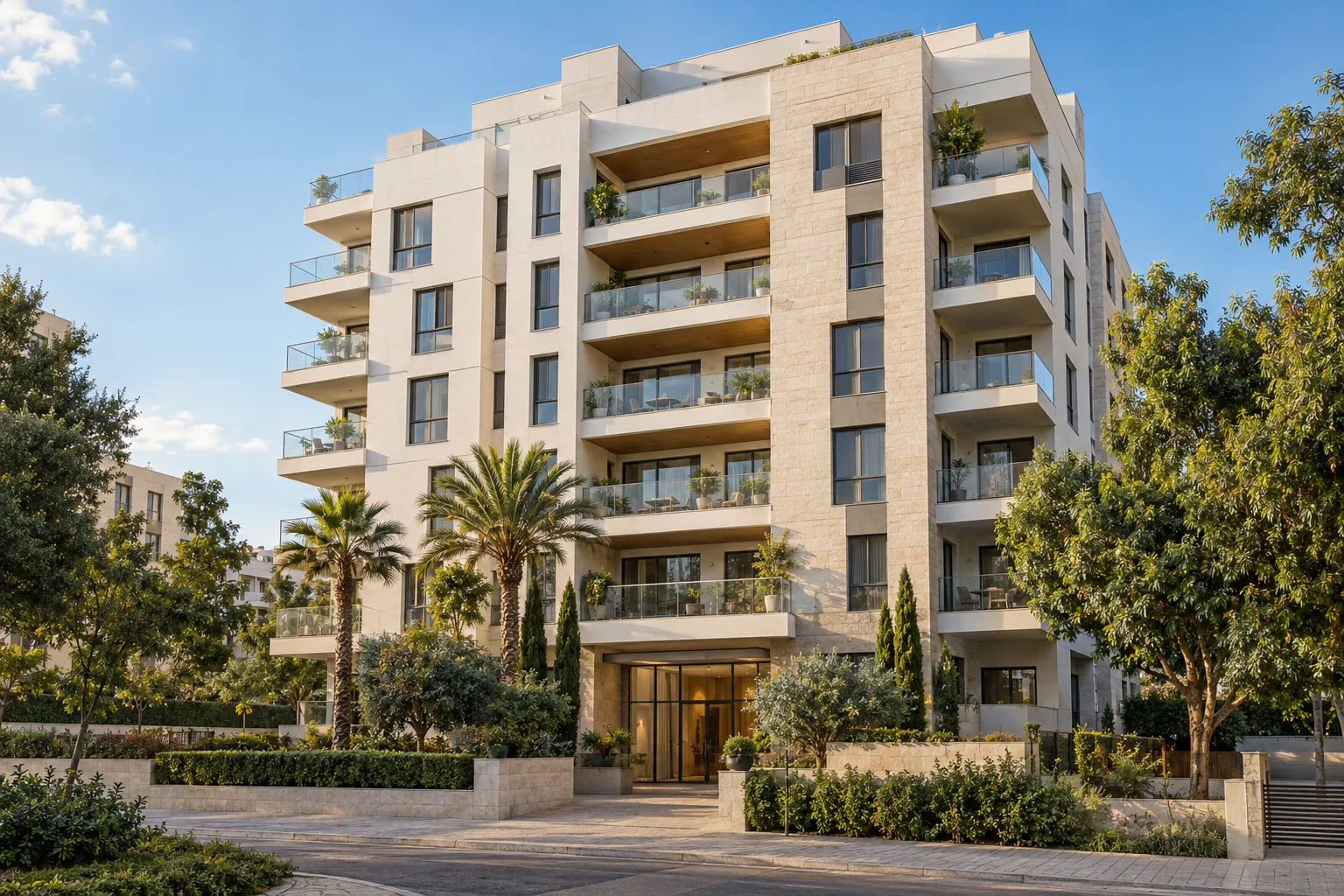
Shared building
American cockroaches coming up from the sewer
Instead of spraying each apartment separately, I went down to the bin room and the manholes. I sealed openings around the pipes and treated the sewer collectors, and the committee replaced a broken manhole cover.
The residents stopped seeing cockroaches in the stairwell.
Building with a parking garage
Mice in the storerooms
In the survey I found a ventilation opening without a mesh and a pipe passage that hadn’t been sealed after a renovation. I sealed both and set up locked, numbered stations along the walls.
By the second visit the stations showed almost no feeding.
Shared garden
Mosquitoes in the yard, even at midday
A leaking drip line and a blocked drainage pit had created standing water. The committee fixed the irrigation, and I treated the breeding spots that were left.
The residents went back to sitting in the yard in the evenings.
Who pays for pest control in a building, the committee or each resident?
Treatment of the common property is paid from the committee’s fund, and treatment inside an apartment by the resident. By default under the law, each apartment contributes to maintenance costs in proportion to its floor area, unless the bylaws say otherwise. An apartment that joins the same treatment day pays me directly, and gets a lower price because I’m already in the building.
Can the committee force a resident to open their apartment for pest control?
Not by force. What it can do: pass a proper decision at a residents’ meeting, document the request and the refusal, and if the damage is ongoing, apply to the Land Registration Superintendent. In most cases the refusal comes from worry about products near children, and a conversation explaining exactly what I do in the apartment resolves it.
How often does the common property need pest control?
It depends on the building. In a building with underground parking, storerooms and a bin room, two to three visits a year with station checks are a reasonable starting point. In a small building with no parking garage and no history of pests, one visit a year with a survey can be enough. What decides it is what the stations show.
Do residents have to leave the building on treatment day?
No. When the common property is treated, residents stay at home. Children and pets need to be kept out of the treated areas until the waiting time is over, the storeroom and bin room doors kept closed, and the stairwell left unwashed that day. An apartment that’s being treated gets separate instructions from me.
What goes in the notice to residents before pest control?
The date and time, which areas are being treated, how long to stay out of them, and a request to keep children, dogs and cats away. It’s worth adding how to join with an apartment treatment and a phone number for questions. I send the committee ready-made wording for the sign and the building’s group chat, ideally posted at least two days ahead.
A resident found bed bugs. What should the committee do?
Ask the resident not to carry mattresses and furniture out through the stairwell before I’ve checked, and if they must, only wrapped, sealed and straight outside. It’s worth checking the adjoining apartments too, above and below, even without a complaint, because some people don’t react to bites. Treating them all on one day costs less and works better.
A neighbor feeds cats in the yard. Does that attract pests?
Leftover food left outside overnight attracts rats, cockroaches and ants. There’s no need to stop feeding. It’s enough to feed at a fixed time, clear up the leftovers and not leave bowls out at night. I place the bait stations far from the feeding spot, in stations a cat can’t open.
Can the committee buy a product and spray on its own to save money?
It’s not a good idea, and by law pest control in a shared area has to be done by an exterminator licensed by the Ministry of Environmental Protection. A committee member who sprays the stairwell takes on the liability if a child or a dog gets hurt. A store-bought spray also doesn’t reach the manholes and the shafts, which is where the source is.
Who deals with pigeons nesting on the building’s roof and AC units?
The roof and the outer walls are common property, so it’s usually a matter for the committee. The AC unit or balcony of a specific apartment is that resident’s matter. The fix is netting, closing off the spaces under AC units and solar panels, and clearing droppings with protective gear. Poisoning isn’t something I do, and it doesn’t stop a new flock from arriving either.
More worth knowing
- CockroachesGerman and AmericanBlattella germanicaFrom ₪350
- RodentsRats and miceRattus rattusFrom ₪350
- PigeonsNets and spikesColumba liviaFrom ₪1,200
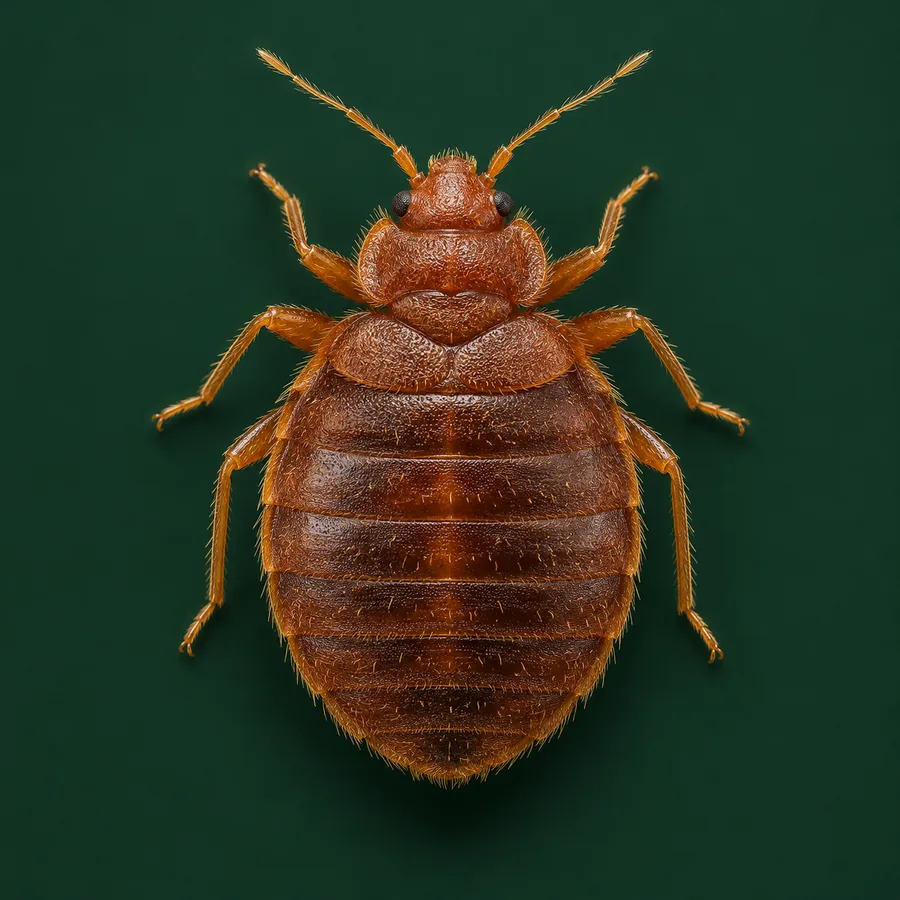 Bed bugsThree layers, with a warrantyCimex lectulariusFrom ₪1,000
- MosquitoesAsian tiger mosquitoAedes albopictusFrom ₪600
- Wasps and beesOriental hornets, swarmsVespa orientalisFrom ₪350