
In short
In a restaurant or food business, pest control is a system that runs all year: regular monitoring, sealing entry points, gel and bait inside the spaces where pests live, and spraying only at the edges when there’s no other way. I work outside service hours, with food and utensils covered. After every visit you get a findings report for your pest control file, ready to show when an inspector arrives.
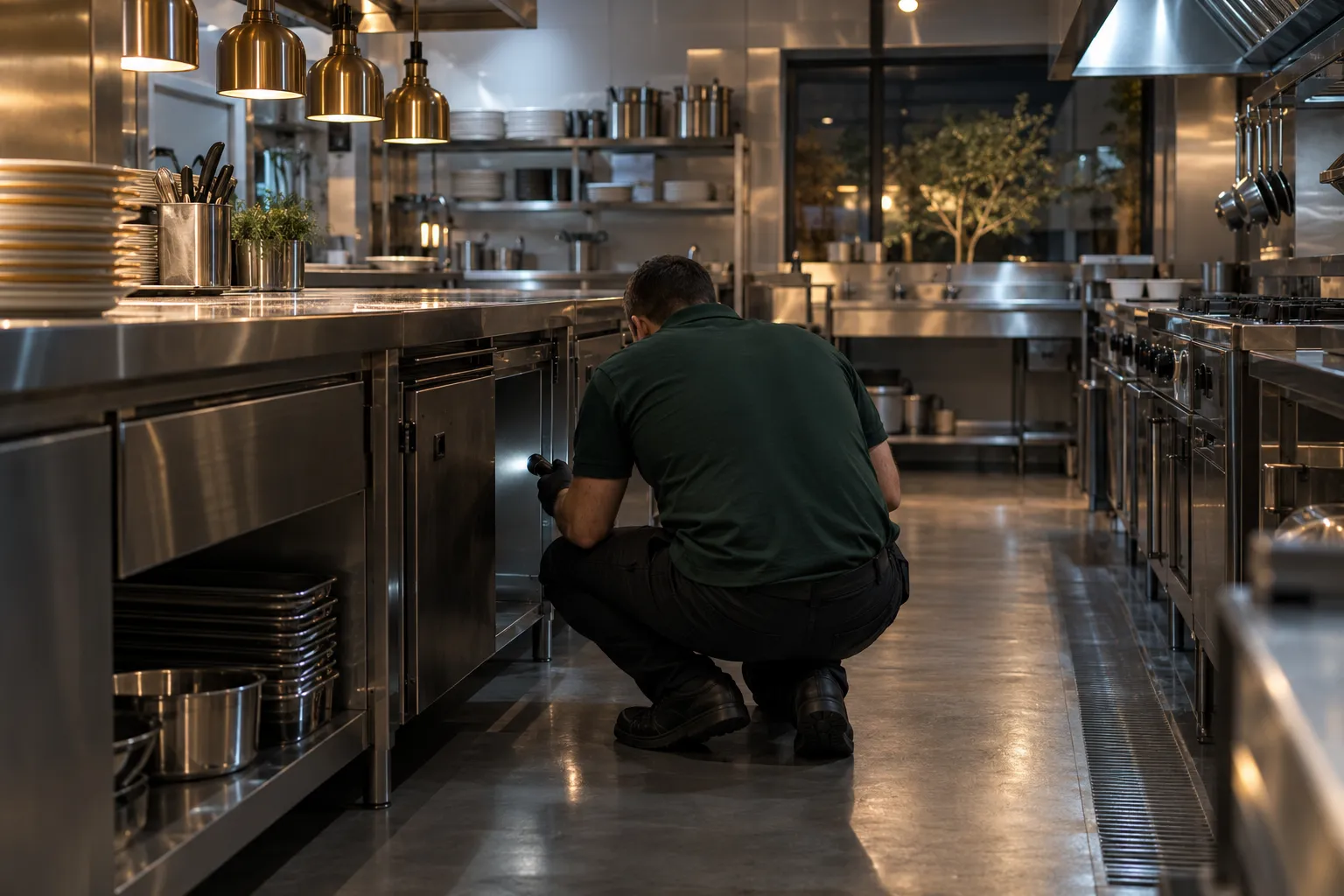
A professional kitchen is the most comfortable place in the whole building for cockroaches and mice. It’s warm even at night, it’s damp, there are scraps in every crack, water close at hand and stock coming in through the back door every morning. A kitchen that keeps everything visible spotless can still host a whole population inside the fridge’s motor compartment, half a meter from the pass.
The inspector who walks in checks whether you have a system that catches a problem before a customer sees it, and whether you have documents showing it works. So I build a plan for the business: monitoring, sealing entry points, targeted treatment and a report after every visit.
I do most of the work when the kitchen is empty, so service doesn’t stop and not a drop of product reaches the area where food is prepared.
Inside the equipment
The German cockroach lives in warm cavities: the fridge motor, the dishwasher base, the coffee machine and the electrical cabinet. The female carries her egg case until it hatches, so spraying surfaces misses her, and two or three weeks later a new wave arrives.
Drains and floor traps
An organic film on the inside of the pipe breeds drain flies and feeds cockroaches at night. A drain nobody flushes, or a trap that dried out during a holiday closure, opens a direct route for American cockroaches from the sewer.
The back door and deliveries
A door left open for the whole delivery is the main way in for mice. Cockroaches also arrive inside boxes and on pallets, so it’s best to unload stock outside the prep area and not keep cardboard in the dry store.
Drop ceilings and AC ducts
Overhead there’s a whole space nobody ever opens. Mice and cockroaches move through it between the kitchen, the storeroom and the unit next door.
Neighbors in the complex
A restaurant in a mall or on the ground floor of a building shares a wall, a bin room and a roof with others. Treating just one unit pushes the pests next door, and they come back to you a few weeks later.
A food business needs a business license, and the Ministry of Health and the local authority are among the bodies that approve it. In practice, an inspector expects to see that pest control in the business is done by a licensed exterminator, regularly and with records. The exact requirements vary with the type of business, so it’s worth reading your own license conditions too.
A licensed exterminator
Under the 2016 law regulating sanitary pest control, sanitary pest control is carried out by an exterminator licensed by the Ministry of Environmental Protection. My license covers buildings and open areas, no. 2310, and the number appears on every report.
Records for every visit
A report with the date, findings, treated areas, the product name and recommended fixes. A payment invoice doesn’t show what was actually done, and a report that just says “spraying done” doesn’t tell an inspector much either.
Information about the products
Before the treatment I tell you what the product is, what the risks are and what to do before and after. The law requires this of the exterminator, and in a food business it’s worth keeping this information in the file.
A pest control file kept on site
A copy of my license, the monitoring station map, the reports and a log of defects that were fixed. The file needs to be at the business, in a binder or on the manager’s phone, not only with the exterminator.
- 1
Kitchen survey
I come when the kitchen is empty, with a flashlight at floor level: behind the equipment, inside the drains, at the back door, in the dry store and in the bin room. I identify the pest and the spot where it’s breeding.
- 2
Plan and station map
You get a plan: numbered monitoring stations marked on a map, a visit frequency that suits the business, and a list of physical repairs in order of priority, with a quote.
- 3
Sealing entry points
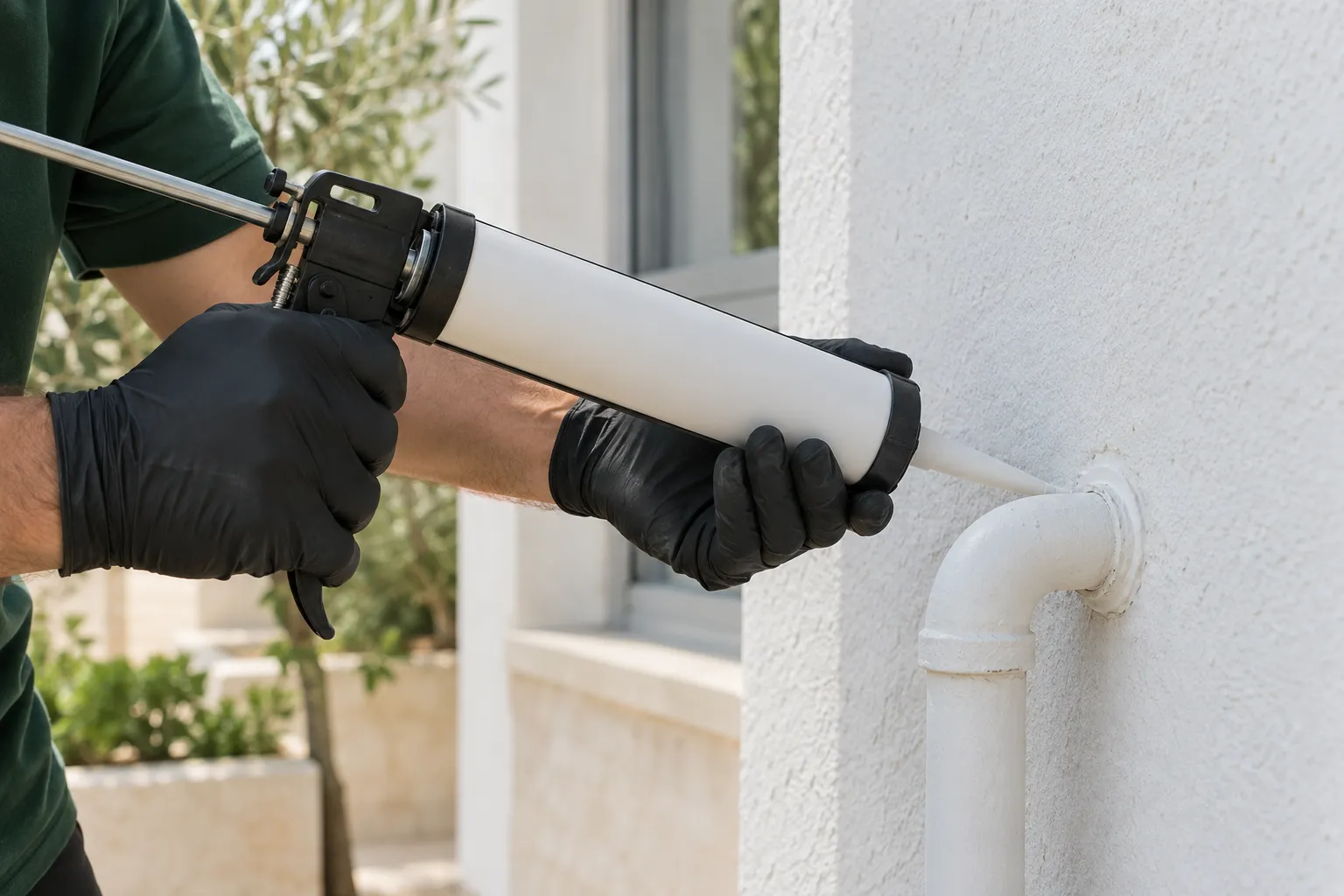
Sealing around pipes and gas lines, a brush strip at the bottom of the back door, mesh over vents and covers on drains. A mouse gets through a gap the size of a coin, so this is where I start.
- 4
Targeted treatment after hours
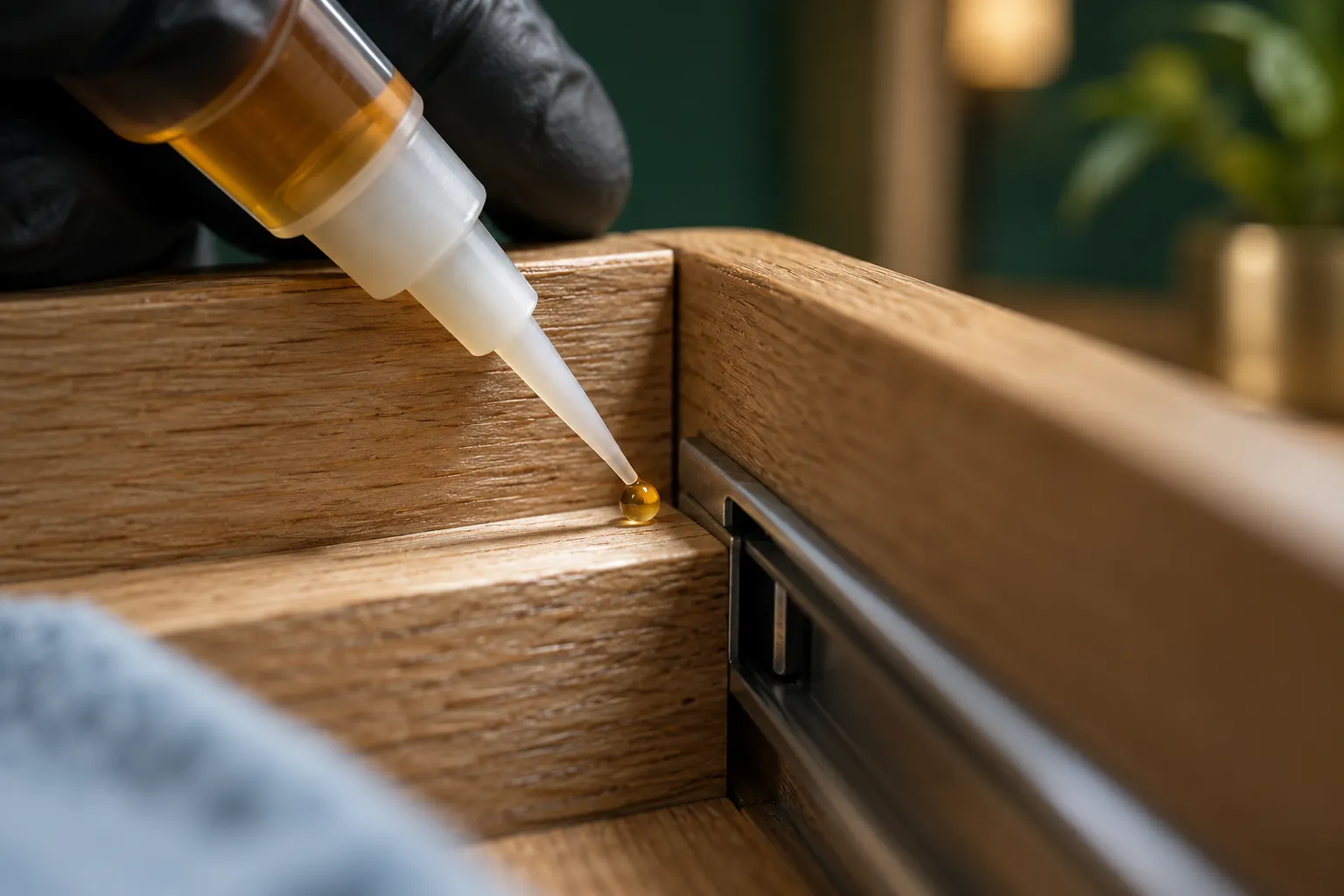
Gel inside equipment cavities and hinges, a growth regulator that stops the next generation, and locked stations around the perimeter. Spraying, if needed at all, only at the edges and in enclosed voids. Never on work surfaces, utensils or food.
- 5
A report after every visit
The report reaches you at the end of the visit, with the findings, the stations that showed activity and recommendations. That way you see a trend over months, not just a one-off incident.
- 6
Between visits
Did someone on staff see something? Take a photo and send it to me with the time and place. If needed, I come to treat between the regular visits, before it turns into a defect in the file.
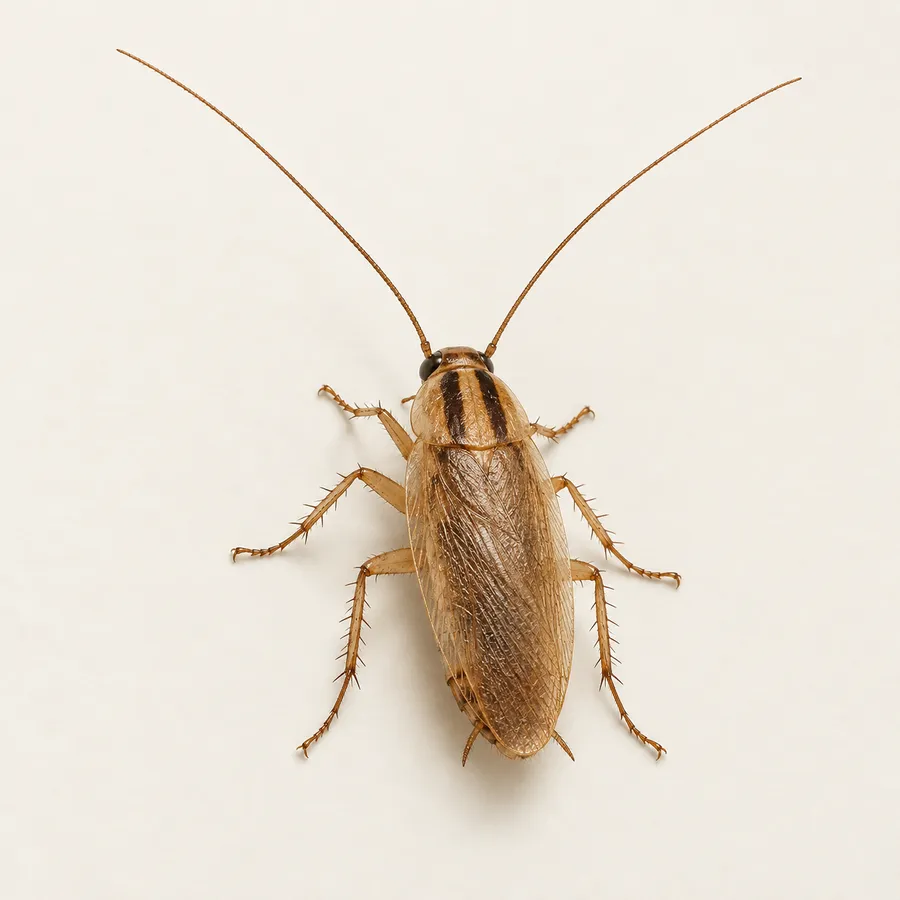 Cockroaches The German cockroach inside warm equipment, and the American one coming up from the drains at night. Each needs a different method, and in a kitchen it’s mainly gel and a growth regulator.From ₪350
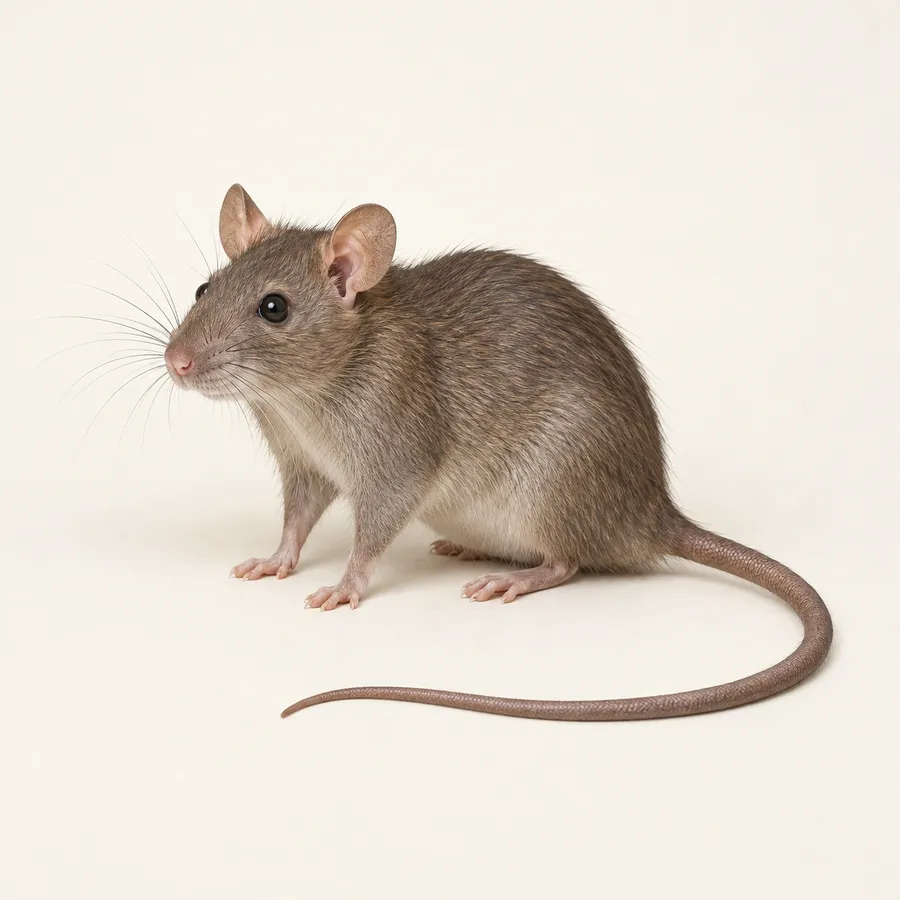 Rodents They get in through the back door, the bin room and the drop ceiling. Inside the kitchen I work with traps and sealing, and locked bait stations stay on the outside perimeter.From ₪350
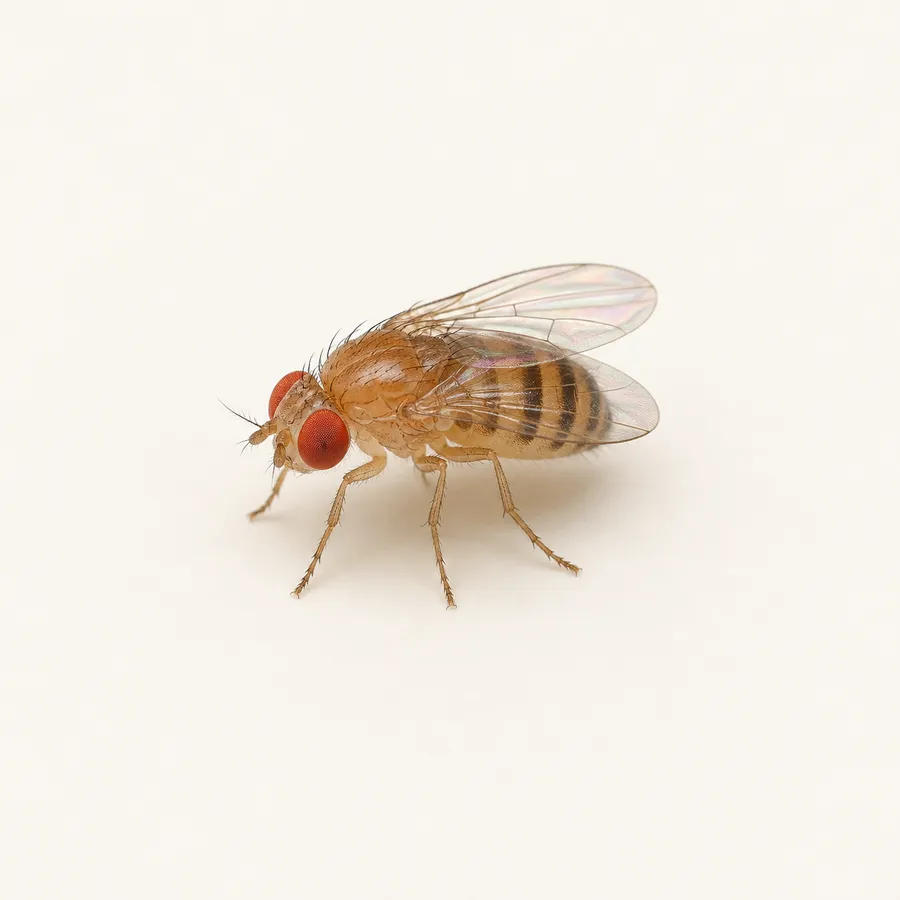 Flies and gnats Drain flies by the bar and fruit flies near the fruit. The source is almost always inside a drain or a grease trap, and that’s where it gets treated.From ₪350
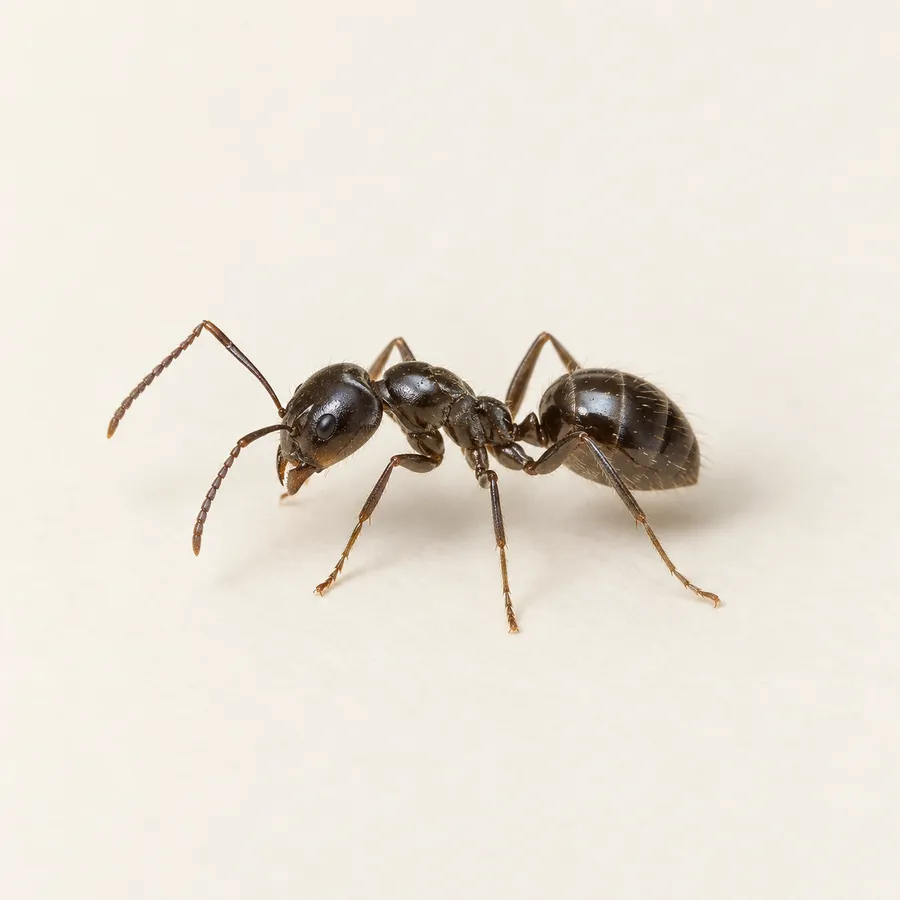 Ants They go for sugar, dough and the drinks station. Bait on their trail reaches the nest, while spray only scatters them.From ₪350
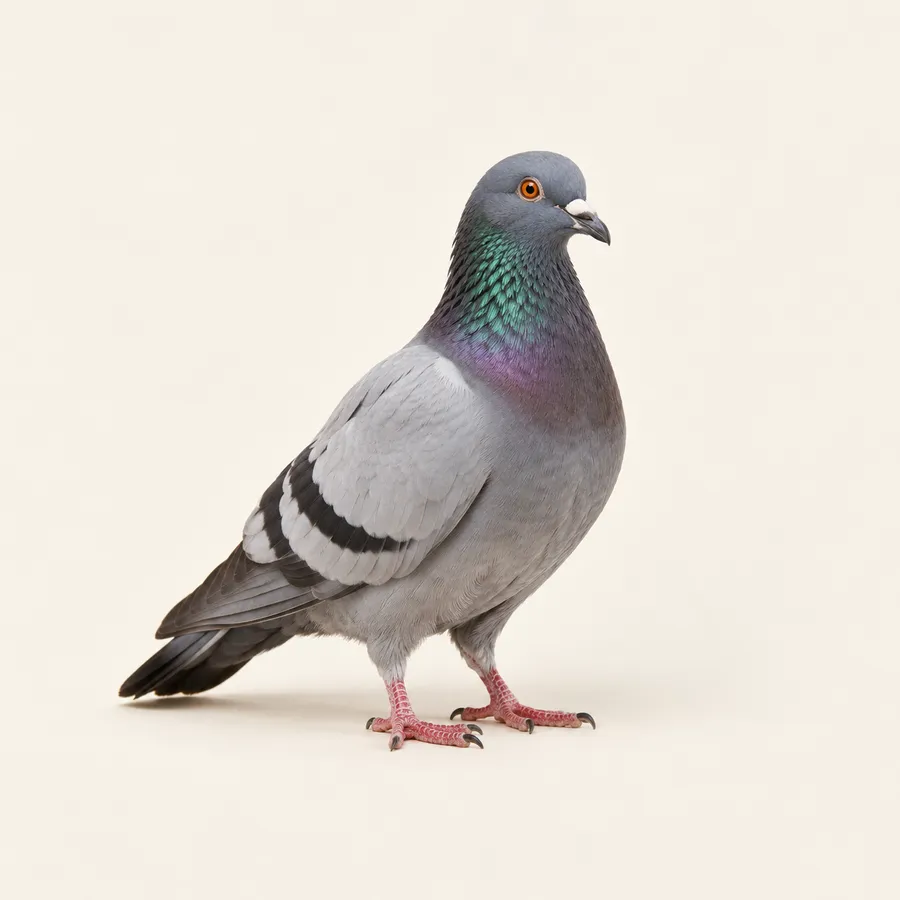 Pigeons On the seating terrace and on the rooftop AC units. Netting and spikes, because pigeon droppings near the seating area are a health hazard.From ₪1,200
Only outside service hours
I treat when the kitchen is closed, and you know in advance how long to wait before going back to work.
Food and utensils covered or removed
Before the treatment, food, utensils and work surfaces are cleared or covered. I tell you exactly what, depending on the method.
Nothing left open on a surface
Gel inside cavities and hinges, and locked, anchored stations. No loose bait and no powders in the prep area.
What to clean before opening
Work surfaces get washed as usual. Leave the gel spots inside the hinges alone, because washing them off cancels the treatment.
No household sprays between visits
A supermarket spray in a commercial kitchen puts the food at risk, scatters cockroaches to new hiding spots and makes it harder for me to diagnose on the next visit.
When I come to the business. In the morning before opening, on a day the business is closed, or at a time we agree on after closing. Regular visits are scheduled in advance for the whole year, so nobody has to remember to book.
The price depends on the size of the kitchen, the pest and the frequency. After the survey you get a quote from me for the whole plan.
| Property or treatment | Price |
|---|---|
| Café, bakery or food stall, treatment visit | From ₪450 |
| Restaurant with a full kitchen, treatment visit Most common | From ₪650 |
| Ongoing service: monthly visit with monitoring, treatment and a report, per month | From ₪450 |
| Central kitchen or large food complex, based on an on-site survey | From ₪1,200 |
What changes the price
- Size of the kitchen, the storerooms and the number of prep areas
- Type of pest and how heavy the infestation is at the first survey
- Visit frequency and the number of monitoring stations
- Shared areas in the complex that need coordinating with the management company
Restaurant
Mice, a week before an inspection
I mapped the openings behind the cooking line, sealed them and set monitoring traps. The owner got a proper report from me to show the inspector.
The inspection passed with no remarks about pests.
Café
Gnats by the bar that came back every week
They had already sprayed twice. The source was an organic film inside the floor trap under the ice machine. We cleaned it out mechanically, I treated it with enzymes, and we added flushing the drain to the closing routine.
The gnats disappeared without any more spraying.
Bakery
German cockroaches in the base of the fridge
I put gel inside the equipment cavities along with a growth regulator, and asked them to unpack the stock boxes outside the kneading area.
At the next monthly visit, the monitoring stations in the kitchen were clean.
Can pest control be done while the restaurant is open?
No. I treat when the kitchen is closed, after food and utensils have been removed or covered, with a set waiting time before work resumes. Gel inside hinges and equipment cavities usually doesn’t need a long wait, so the work can also be done in the morning before opening. I send the before-and-after instructions in advance, and they’re worth keeping in the file.
What should be in the pest control file when an inspector comes?
A report for every visit with the date, findings, treated areas, the product name and recommendations. A copy of the exterminator’s license, a numbered station map, and a log of what was recommended and what was fixed. It’s worth keeping the last year’s reports at the business, so the inspector sees a trend and not a single visit.
How often does a restaurant need pest control?
There’s no single number for every business. The frequency depends on the type of kitchen, the volume of prep, the building and the business’s history. For most of the food businesses I look after, it’s a regular monthly visit, and when there’s an active infestation I come more often until the stations are clean.
Who is responsible for pest control, the property owner or the restaurant operator?
Inside the business, almost always the operator. In shared areas, like a service corridor, a bin room, the roof or the parking garage, it’s usually the property owner or the management company. It’s worth settling this in the lease, because a demand to fix a defect goes to the business license holder, however you’ve split things between you.
Someone on staff saw a cockroach mid-shift. What should we do?
Don’t spray. Take a photo, note where and at what time, and send it to me. A cockroach seen in the middle of the day usually means its hiding place is full and there’s a hotspot inside the equipment. I come to treat between the regular visits, and the staff’s notes help me find the hotspot quickly.
We closed for two weeks in the summer. What should we check before reopening?
First, pour water into every drain and floor trap, including the ones under the equipment. A dried-out trap is an open pipe to the sewer, and American cockroaches come up from there. Then go over the dry store and the stations. If you like, I can come for a check the day before you reopen.
Can a pest control defect hold up the renewal of a business license?
Usually the first step is a demand to fix it within a set time. A repeated defect, a serious one or a file with no records can get the business into trouble with the authorities, and that’s often felt precisely at license renewal. That’s why it’s worth quickly fixing whatever the inspector noted, and recording the fix in the file.
What license does an exterminator working in a food business need?
An exterminator’s license from the Ministry of Environmental Protection, of a type that covers what you actually have: a building, and if there’s a yard, a terrace or a loading area, open areas too. My license covers buildings and open areas, no. 2310, valid until 2029. Ask any exterminator to show you their license, and check that the number appears on the reports.
We have outdoor seating. Does that need pest control too?
Usually yes, but a different kind. Outside, the problems are pigeons on the railings and AC units, wasps drawn to sweet drinks in summer, and flies around the bins. I put up netting and spikes, find and treat wasp nests nearby, and set locked stations along the outside wall. All of it at hours when there are no customers.