In short
In a shared building, many pests come from outside: cockroaches through the shared pipes and shafts, bed bugs from a neighboring apartment, ants along the walls. Inside, I put gel and bait in joints and cracks and seal the gaps around the pipes. Most treatments let you stay at home. When the source is the bin room or the shared sewer, that’s the building committee’s job, and I say so plainly.

An apartment is part of one big structure. The sewer pipe behind your sink also runs past the neighbors above and below you, and the plumbing shaft in the bathroom connects every floor. So a cockroach that came out of your shower drain wasn’t necessarily born in your home.
Most of what happens inside the apartment can be solved without leaving home and without any smell. I work with gel bait in joints, bait near the entry points and sealing around the pipes. In a typical apartment it usually takes less than an hour, and you carry on with your day.
What can’t be solved from inside the apartment is a shared source: a neglected bin room, a manhole in the building’s yard or cockroaches coming up the shaft from the floor below. In those cases I describe what I saw and where, so you can pass it on to the building committee. I wrote about treating the shared areas on the page for building committees.
Gaps around the pipes
Under the sink, behind the toilet and in the washing machine cabinet there’s almost always a gap between the pipe and the wall. That’s the cockroach’s way from the shared shaft into the apartment.
Drains nobody uses
In the drain on the utility balcony or in a second shower, the water in the trap evaporates over the summer, leaving an open pipe to the building’s sewer. A glass of water every few weeks, or a mesh cover, closes that route.
A wall shared with the neighbors
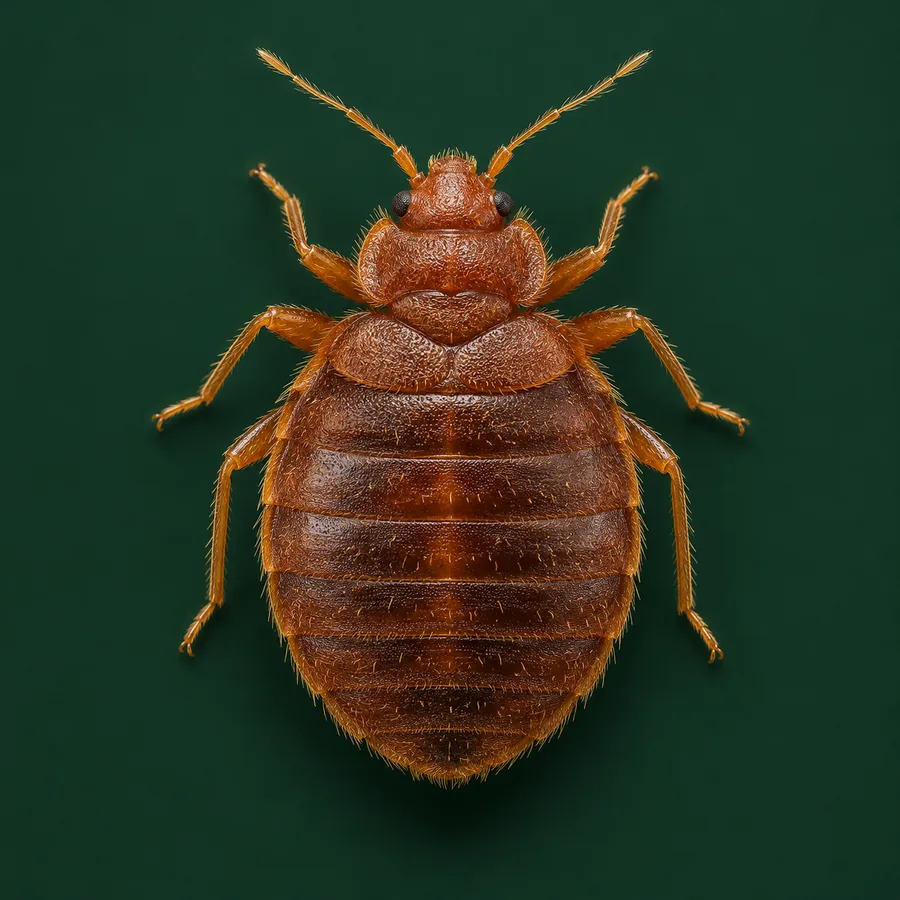
Bed bugs move between apartments through cracks, electrical sockets and gaps in the wall. If the neighbor treats and you don’t, or the other way round, the bed bugs simply move to the untreated side.
Cardboard, moves and appliances
German cockroaches often arrive in a supermarket box, a used electrical appliance or moving boxes. In new apartments I see it more than once in the very first weeks.
The floor changes the picture
In ground-floor and garden apartments, ants and mice come in from the yard. On the higher floors, most calls are about pigeons on the balcony and in the AC enclosure.
- 1
A photo and a chat
You send me a photo on WhatsApp and tell me which room, what time of day and when it started. In most cases that’s enough for me to identify the pest and give a first price.
- 2
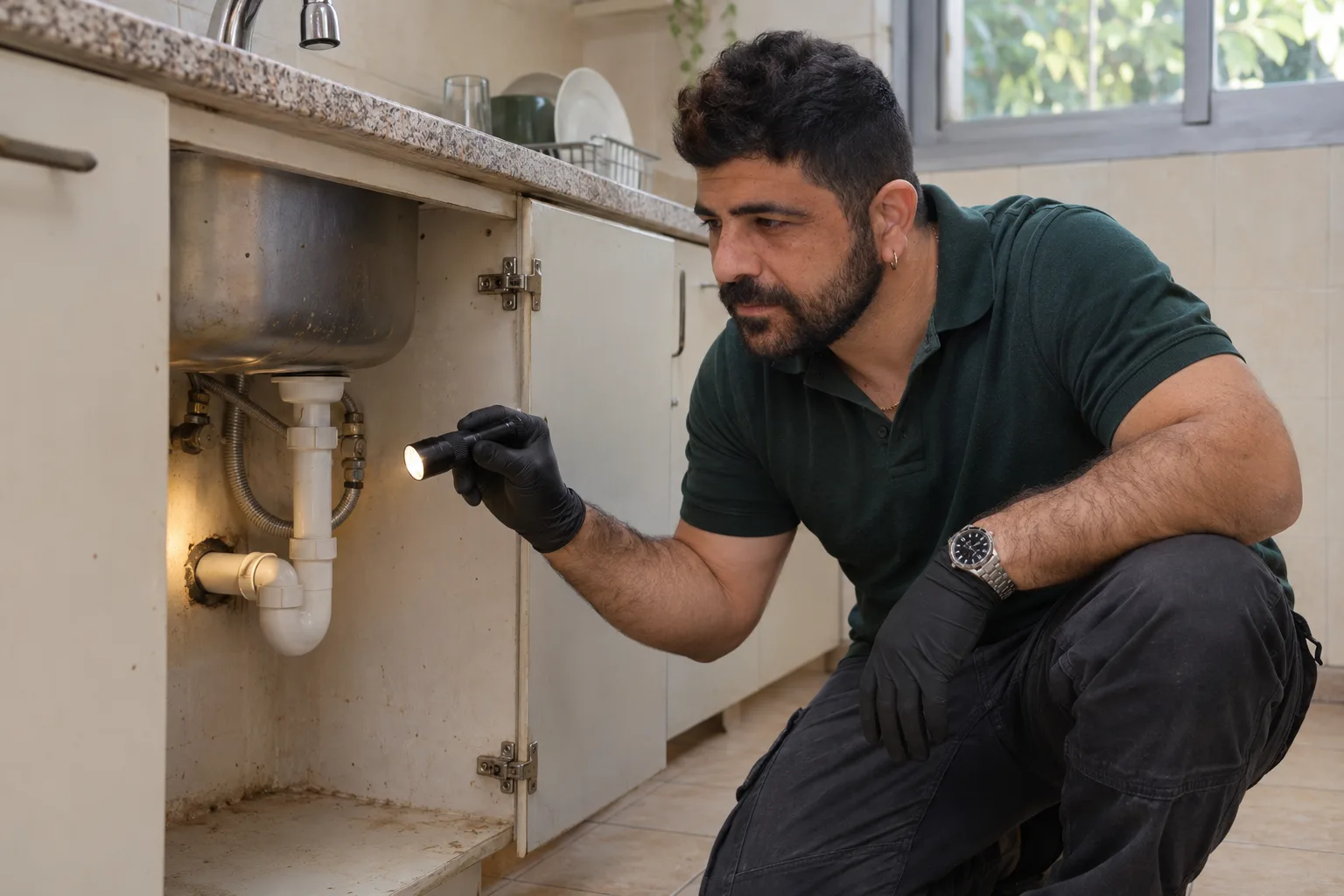
Inspection with a flashlight
I start in the kitchen and the bathrooms: under the sink, behind the fridge, in the cabinet hinges and the drains. With bed bugs, the inspection starts in the bedrooms.
- 3
Sealing and targeted treatment
I seal gaps around the pipes, put gel bait in joints and cracks and bait near the entry points. I spray only when there’s no other way, and then in one specific room, with ventilation instructions.
- 4
What to pass on to the committee
If I found a shared source, you get a short description from me of what I saw and where, to pass on to the building committee. It saves arguments and gets the building treated sooner.
- 5
Follow-up visit
With cockroaches and bed bugs I come back to check after 2–3 weeks, and finish off the treatment if a hotspot is left.
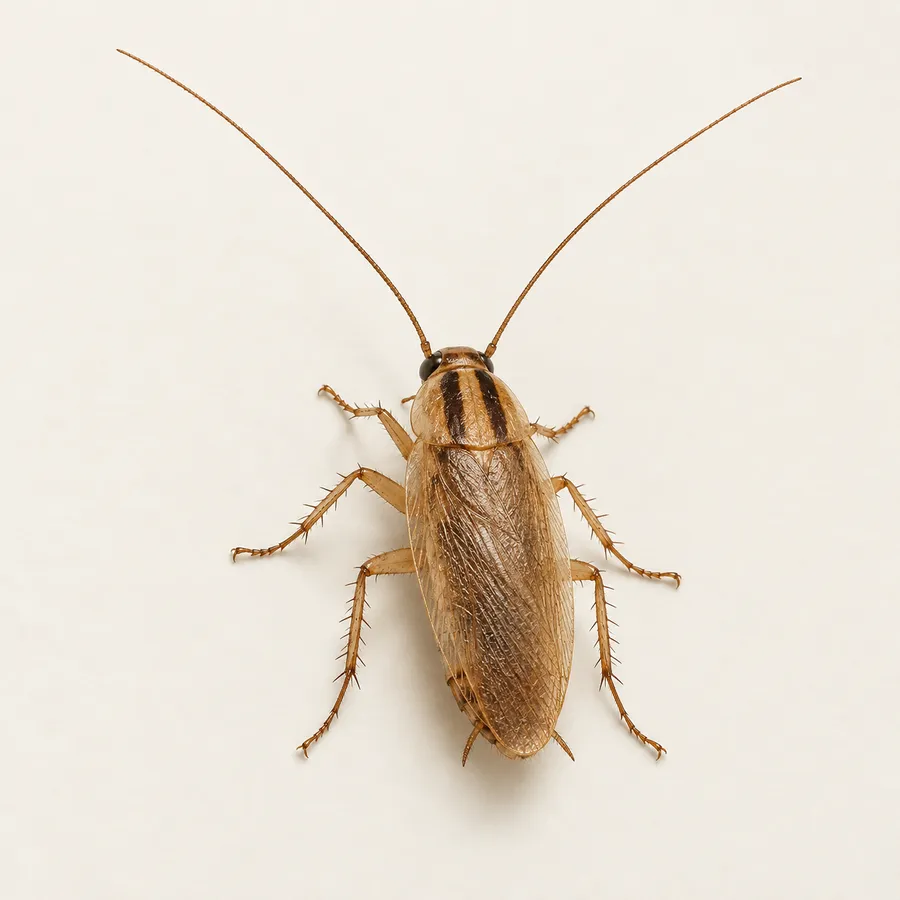 Cockroaches The German cockroach lives inside the apartment, in the kitchen and in electrical appliances. The American one comes up from the sewer through drains and shafts. The treatment is different, so first I identify which one you have.From ₪350
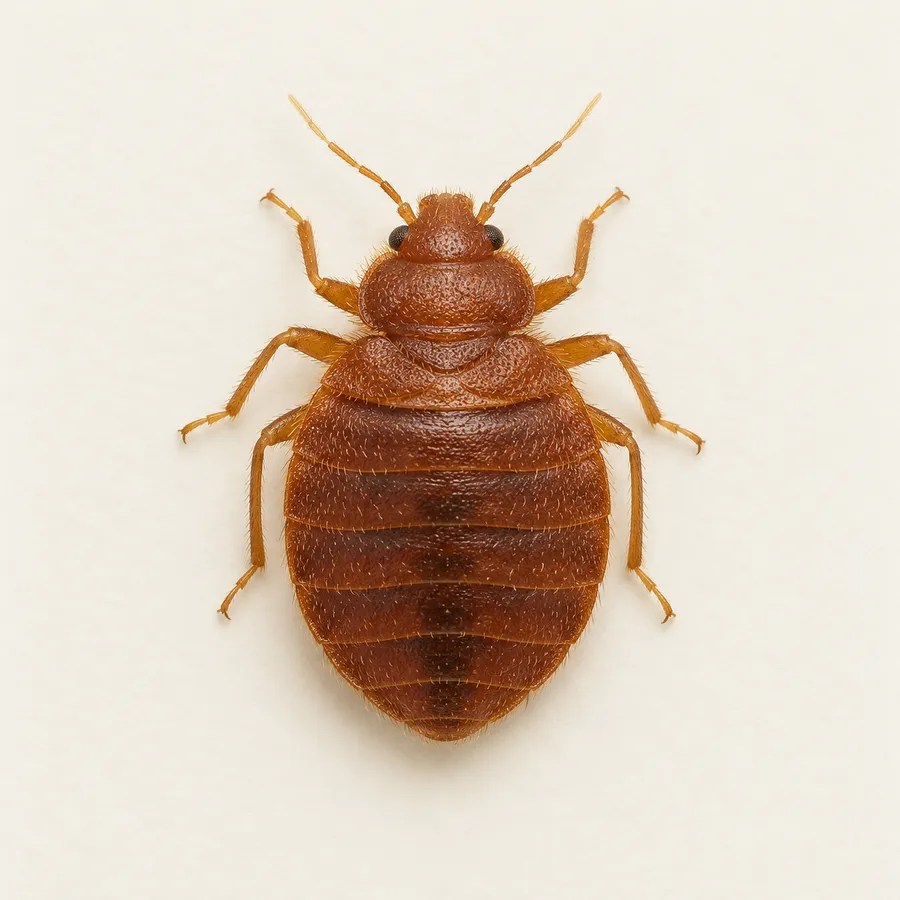 Bed bugs They arrive in a suitcase, in second-hand furniture or from a neighboring apartment. In a shared building it’s worth checking the adjoining apartments too, and treating several apartments at the same time when possible.From ₪1,000
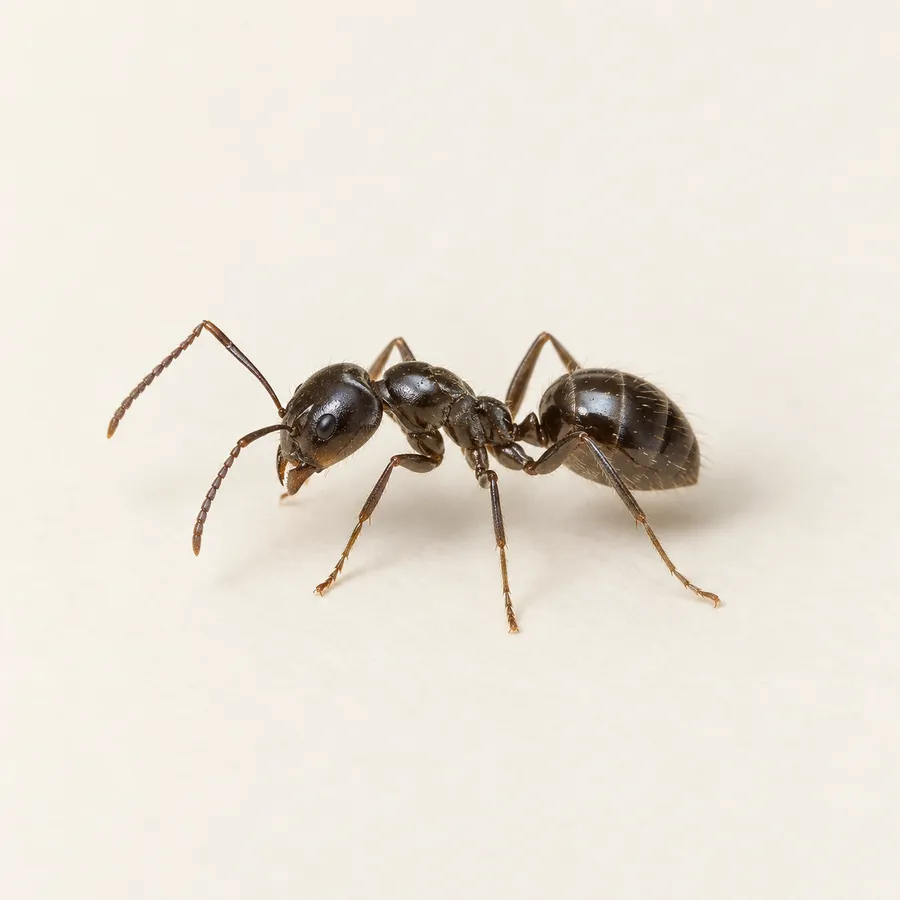 Ants They come in along window frames, through sockets and from planters on the balcony. I follow the trail back to the wall and put down bait that they carry to the nest.From ₪350
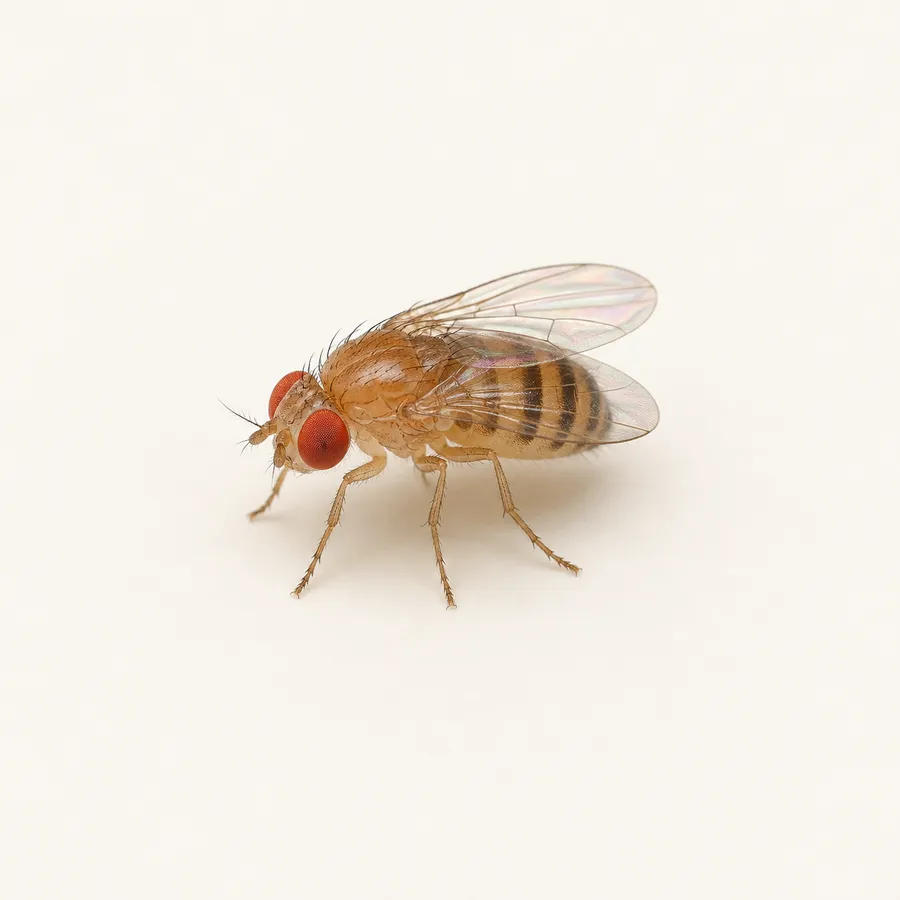 Flies and gnats Drain flies in the bathroom and fruit flies in the kitchen breed in the gunk inside the drain. Cleaning the drain properly solves most cases without any product at all.From ₪350
 Pigeons They nest in the AC enclosure and on balconies nobody uses. Netting you can barely see closes the space off without hiding the view.From ₪1,200
 Rodents In ground-floor and garden apartments, mice come in from the yard, through pipe openings and under the door. I seal the gaps and place traps inside the apartment where children can’t reach them.From ₪350
You stay home for most treatments
With gel bait and bait you can usually stay at home. If a room needs spraying, I tell you in advance how long to stay out of it and how to air it.
Safe rooms and windowless rooms
In the safe room (mamad) and in rooms without cross-ventilation I work without spray, or extend the airing time. Tell me in advance if someone sleeps there.
Pets in a small apartment
An apartment has no yard to put the dog out in, so we’ll agree in advance where it will be during the treatment. A caged bird or an aquarium needs its own preparation, and I explain it before I arrive.
What time to book. In an apartment people live in, I prefer mornings. If a room needs airing, it’s aired by the evening and you can sleep in it. In a home with small children, treating during kindergarten hours saves all the arranging.
These are my prices for apartments. I’ll tell you what it comes to in your case after a photo or an inspection. Treating the shared areas is a separate job, which the building committee orders and pays for.
| Property or treatment | Price |
|---|---|
| Cockroaches, apartment up to 3 rooms Most common | ₪350 |
| Ants, apartment up to 3 rooms | ₪350 |
| Cockroaches and ants in one visit, up to 3 rooms | ₪450 |
| Fleas, apartment up to 80 m² | ₪450 |
| Bed bugs, first room | ₪1,000 |
| Extras | |
| Cockroaches or ants: each extra room | Extra₪50 |
| Bed bugs: each extra room | Extra₪500 |
What changes the price
- How many rooms are affected, not how many rooms the apartment has
- How many openings around the pipes need sealing
- Bed bugs in sofas and armchairs as well
- Treating together with a neighboring apartment in one visit, which lowers the price for each apartment
Third-floor apartment
Big cockroaches in the bathroom, every night
The residents sprayed every evening. I found a two-centimeter gap around the sewer pipe behind the toilet, leading straight into the shared shaft. I sealed it and treated the drains, and the residents sent the committee a photo of what I saw in the shaft.
The cockroaches disappeared from the apartment, and the committee ordered treatment for the shaft and the bin room.
A couple who had just moved
Small cockroaches in the very first week
The boxes came from an old storage unit, and German cockroaches showed up in the hinges of the kitchen cabinets. I put gel bait in the hinges and behind the fridge, and asked them to unpack and get the cardboard out of the apartment as fast as possible.
At the follow-up visit there was no activity.
The cockroaches come from the neighbors. Is there any point in treating only my apartment?
Yes. Sealing the openings around the pipes and putting gel bait at the entry points greatly cuts down what gets in, even if the neighbor doesn’t treat. The source itself can’t be wiped out from inside your apartment. If the pressure continues, it’s worth talking to the neighbor and booking both treatments for one day. That way the pest doesn’t just move from side to side.
The committee isn’t dealing with the bin room. What can I do in the meantime?
First, report it to the committee with details: where you saw them, when, and what I found in your apartment. A committee that gets a photo and an exact description responds faster than one that gets a general complaint. Meanwhile I strengthen the protection in your apartment: sealing, gel bait at the entry points and covers for the drains. I wrote what the committee needs to do on the page for building committees.
We’re moving into a new apartment. Should we do pest control before we move in?
If you’ve seen signs, or the apartment stood empty for a few months, yes. An empty apartment is the best opportunity: the cabinets are open, there’s nothing to move, and every opening around the pipes is visible. If there are no signs at all, an inspection and sealing are sometimes enough, with no treatment at all.
We have a garden apartment. Is that the same as a private house?
Partly. A garden apartment has a yard, and ants, little fire ants and sometimes mice come in from there, just as in a private house. But the pipes and the sewer are shared by the whole building, and the manholes in the yard usually belong to the common property. So in a garden apartment I check both the yard and what’s coming from the building.
Our second shower isn’t used, and suddenly there are cockroaches in it. Why?
The trap has probably dried out. In a drain nobody uses, the water evaporates and leaves an open pipe straight to the building’s sewer. Before booking a treatment, pour water into every unused drain, including the one on the utility balcony. If that doesn’t stop them, I check the drain and the openings around it.
Our apartment is above a restaurant or a grocery store. Does that make a difference?
Yes. A food business on the ground floor is a constant source of food and warmth, and cockroaches and mice come up from it through the shafts and pipes. In an apartment like that I focus on sealing every pipe passage and on bait at the entry points. If the problem keeps coming back, the building committee should check with the business that it has regular pest control.
The neighbors sprayed, and now we have more cockroaches. How did that happen?
It happens a lot. Some sprays drive cockroaches away instead of killing them, and they escape through the pipes and walls into the next apartment. This can go on for a few days. In your apartment I treat with gel bait and bait, which don’t drive them away, and seal the passages in the shared wall.
Can you treat just one room?
With bed bugs and ants, sometimes yes, when the hotspot is clear and contained. With cockroaches almost never, because they move between the kitchen, the bathrooms and the electrical appliances. I decide based on what I found in the inspection, and if one room is enough, you pay for one room.