
In short
In a private house, most pests come from outside: the garden, the yard manholes, the storeroom and the roof. So I first walk around the whole house, find entry routes like a branch touching the roof or an unsealed pipe, and close them. Then I treat precisely: closed bait stations along the fence, granules for fire ants, gel bait indoors. There’s no building committee, so the whole property is your responsibility.

In an apartment, pests usually come from the neighbors or the shared sewer. In a private house they come from your own property: the garden, the storeroom, the roof and the manholes in the yard. There’s more ground to check, but almost every source is under your control, and you can deal with it without waiting for a building committee or the neighbors.
In every private house I first walk around the outside for about a quarter of an hour, before I go in. I look at branches touching the roof, an unpruned palm tree, an AC drain dripping by the foundations, a pile of planks next to the storeroom and the manhole covers. In most houses that’s where I find the explanation for what’s going on in the kitchen.
The garden itself doesn’t need blanket spraying. A product on a surface exposed to sun and irrigation breaks down quickly, and it also harms the spiders and geckos that do part of the work for you. I treat where the pest lives and moves: the nest, the trail along the wall and the entry points. I wrote a separate guide about the garden itself.
The roof and the attic
Roof rats reach the roof along a branch, a cable or a gutter, and get into the attic or the space under the tiles. Scratching in the ceiling at night is usually the first sign. On the roof itself, pigeons nest under the solar water heater panels.
The storeroom in the yard
A storeroom that gets opened once a month is quiet, dark and full of cardboard boxes. Mice nest in it, and cockroaches come up through a floor drain that has dried out. I check the corners, the boxes standing on the floor and the gap under the door.
Manholes and drains in the yard
In a private house the sewer manholes are in your yard, and there’s no building committee to look after them. A cracked cover or a manhole without a seal is how the American cockroach gets from the sewer into the yard, and from there to the kitchen door.
A garden watered every day
Daily irrigation, plant saucers and thick mulch right up against the wall keep things damp all summer. That’s where the little fire ant settles, and where mosquitoes breed in small containers nobody notices.
Plants touching the house
A bush leaning on the wall, a climber on the pergola or a branch over the roof gets around any treatment I did at ground level. A clear strip of 30–40 cm between the plants and the wall makes a big difference.
- 1
A walk around the outside
I go all the way around the outside of the house: roof, gutters, plants, storeroom, manholes and pipe openings. At the end I show you, right there, what I found and what I think is causing the problem.
- 2
Sealing entry points
I seal gaps around pipes and AC sleeves, and point out what needs another tradesperson, like a broken manhole cover or a roof tile that has shifted.
- 3
Outdoor treatment
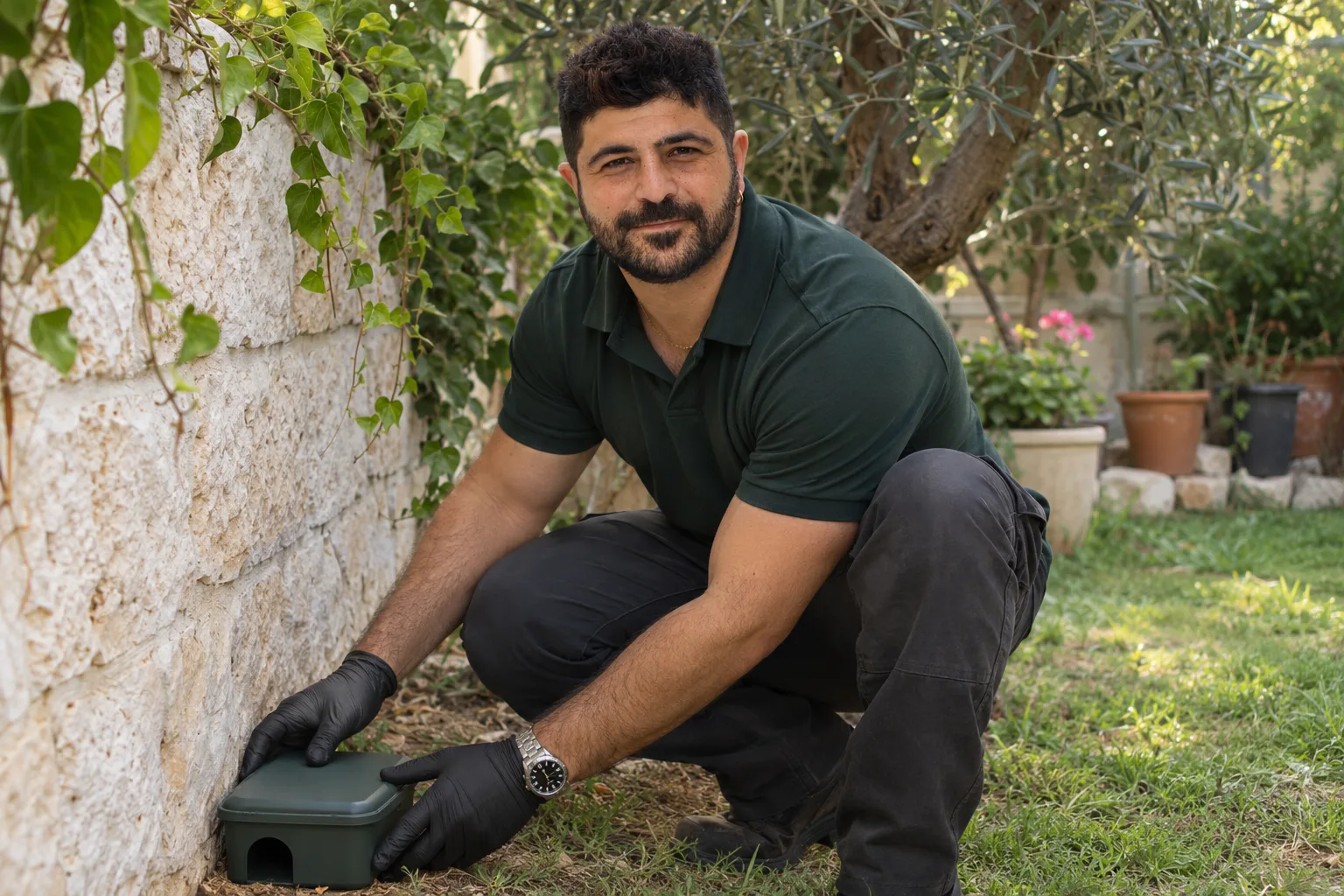
Closed, numbered bait stations along the fence and walls, bait granules for fire ant nests, and treatment of the manholes and drains. I don’t spray open areas of the garden.
- 4
Indoor treatment
Inside the house I work with gel bait in joints and cracks and a microencapsulated product at the entry points. In most cases you can stay at home while I work.
- 5
Follow-up visit
When the treatment calls for it, I come back after 2–3 weeks to check the stations and the nests, and top up the bait where it’s been eaten. That shows whether the pressure from outside has really dropped.
 Rodents Roof rats that cross from palm trees to the roof and the attic, and mice in the storeroom. I place closed stations on their route, up high when needed, and seal the gap they came in through.From ₪350
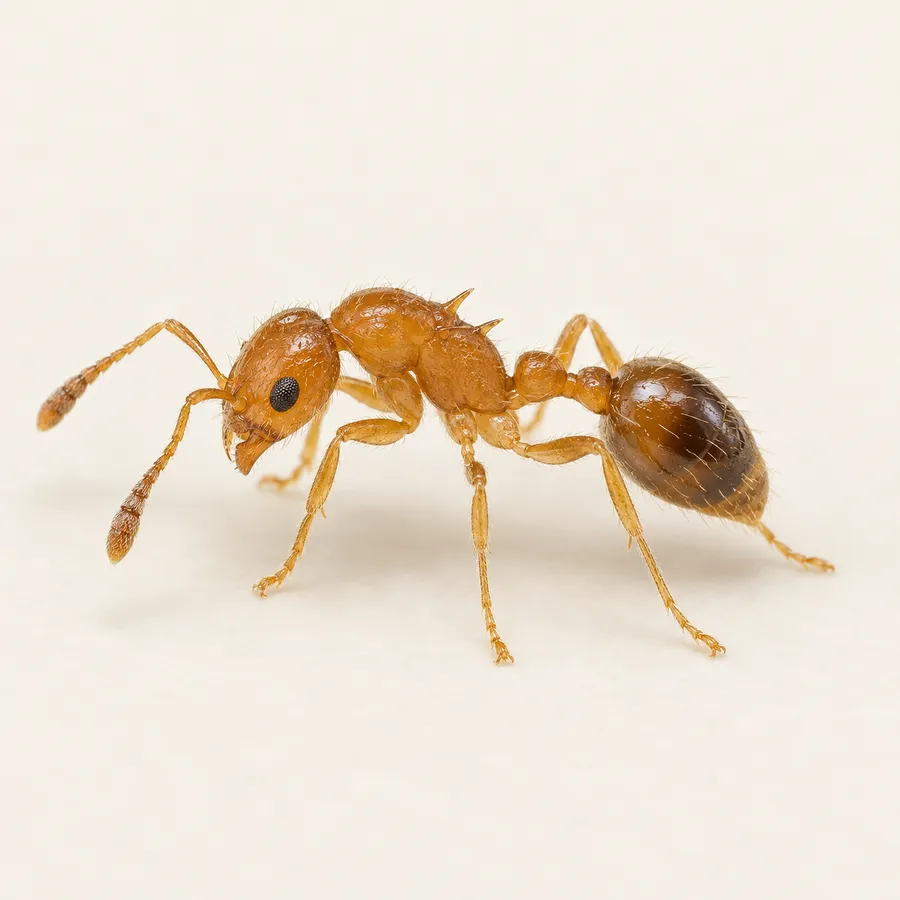 Fire ants The little fire ant arrives with soil and seedlings from plant nurseries and spreads through watered gardens. I scatter bait granules that the ants carry back to the nest, without spraying the lawn.From ₪450
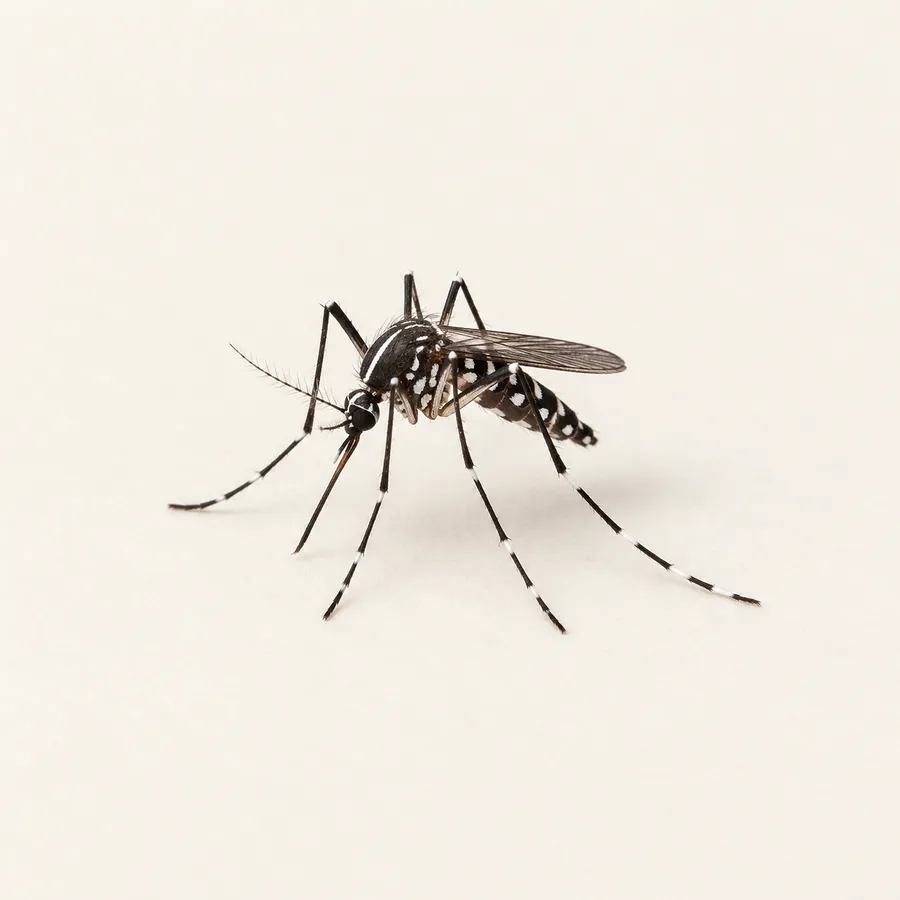 Mosquitoes In the yard they breed in plant saucers, a blocked gutter and the folds of a pool cover. Emptying containers and dealing with standing water gets rid of most of the bites.From ₪600
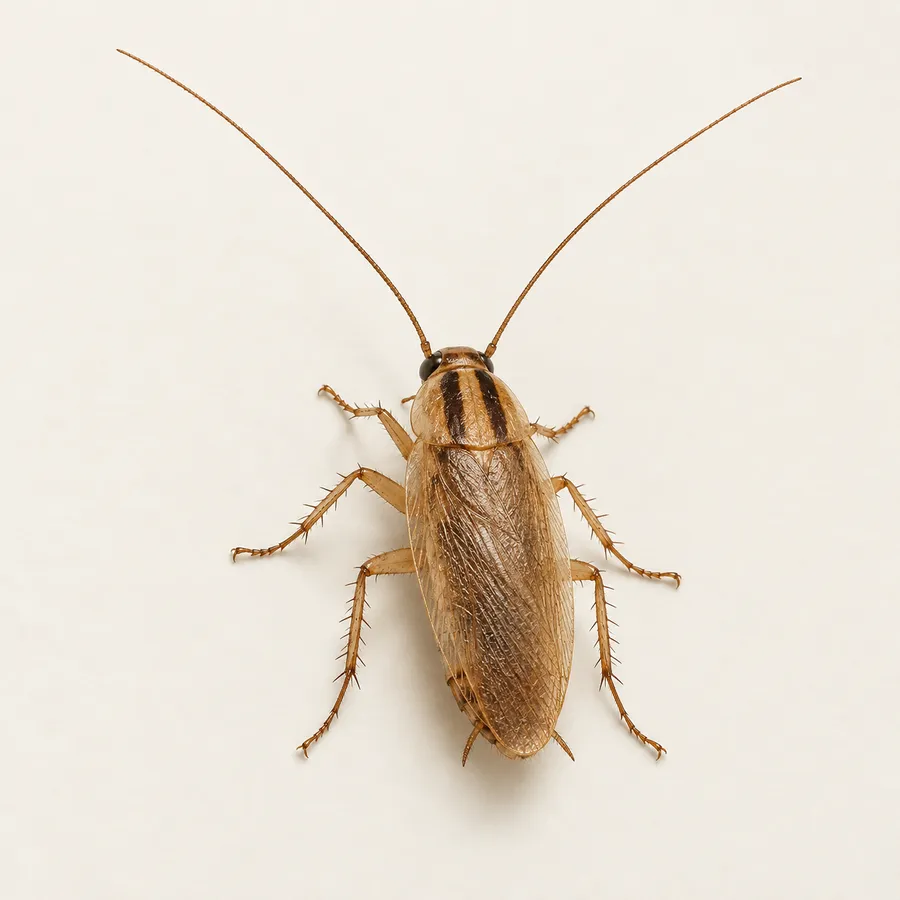 Cockroaches In a private house it’s usually the American cockroach coming up from the manholes. I treat the manhole and the drains first, and only then the entry points into the house.From ₪350
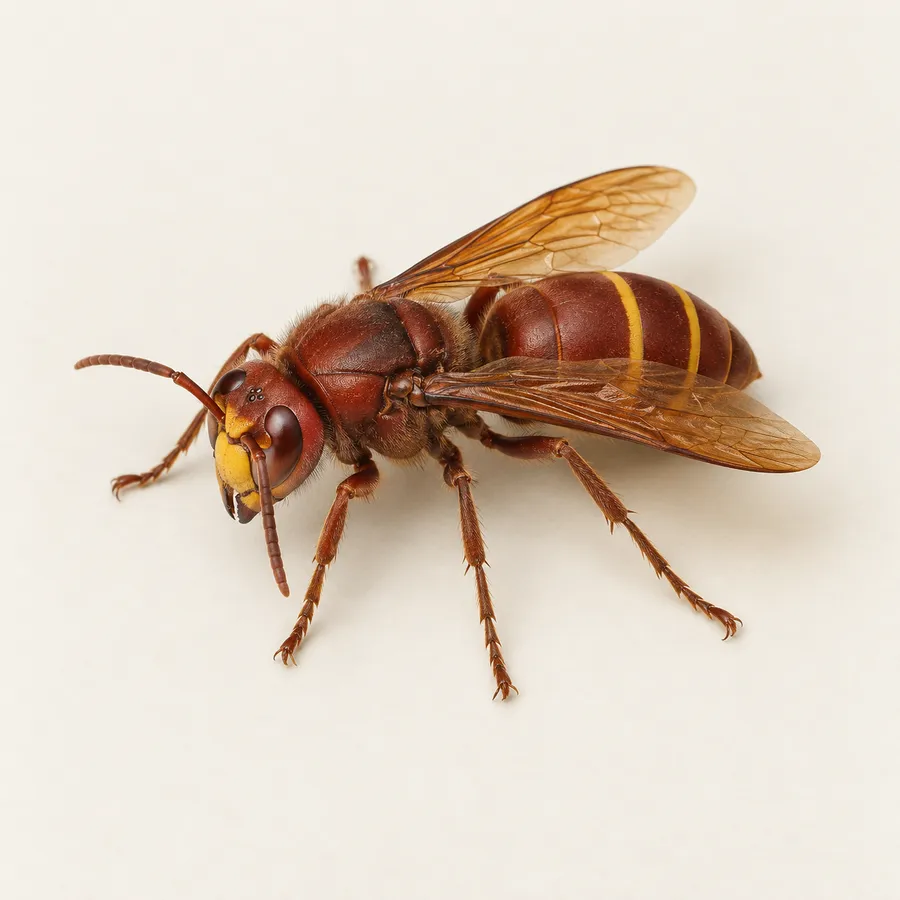 Wasps and bees Nests in roller shutter boxes, laundry enclosures and dense hedges. Don’t block the opening before I arrive, because the hornets will look for another way out, sometimes into the house.From ₪350
 Pigeons They nest under the solar water heater panels and in the AC enclosures on the roof. I close off those spaces with netting or spikes, so they have nowhere to build a nest.From ₪1,200
Stations a child can’t open
All outdoor bait sits inside locked, anchored stations, in places a dog can’t reach. I show you where each station is, so you don’t move it while pruning.
Vegetables and fruit trees
Tell me in advance where the vegetable patch and the fruit trees are. I don’t treat the crop itself, and if I treated nearby, I’ll tell you when it’s fine to pick.
Ornamental ponds and bees
Fish and bees are sensitive to these products. If you have an ornamental pond, a beehive nearby or trees in bloom, I plan the placement and the time of day around them.
Back in the yard
After granules and stations you can go out into the yard almost right away, just don’t touch the granules. After spraying, wait until the surface is dry. I send you the exact time on WhatsApp.
When to treat a private house. The groundwork, meaning pruning, clearing piles and sealing, is easiest in winter, when the yard is quiet. In late spring I treat fire ants and mosquitoes before the season, and after the first rain I check for rodents looking for somewhere warm.
For a private house, the price depends on the size of the yard, the number of rooms and hotspots, and what I found on the walk around the outside. These are my prices for the common cases. I’ll tell you what it comes to in your case once I’ve identified the problem.
| Property or treatment | Price |
|---|---|
| Fire ants: yard up to 100 m² and house up to 3 rooms Most common | ₪600 |
| Cockroaches or ants: house up to 3 rooms with a small yard | ₪400 |
| Rodents: a visit with a bait box and a trap | From ₪350 |
| Mosquitoes: yard with dense plants, up to 200 m² | ₪600 |
| Wasp nest, close and easy to reach | ₪350 |
What changes the price
- Yard size and the number of nests or hotspots
- How many bait stations the fence line needs
- Access to the roof, the attic and the spaces above the ceiling
- How many pests are treated in the same visit

House with a palm tree in the yard
Scratching in the ceiling every night
A roof rat got from the palm tree onto the roof along a branch, and into the attic under a roof tile that had shifted. I set stations on its route and asked for the branch to be cut back. Once the activity stopped, I sealed the gap.
The ceiling is quiet, and at the follow-up check there was no new activity in the stations.
Storeroom in the yard
Big cockroaches in the storeroom and the kitchen
The source was a floor drain in the storeroom that nobody had used all summer. The water in the trap had evaporated, leaving an open pipe to the sewer. I treated the manhole and the drain, and asked them to pour water into it once a month or close it with a cover.
Within two weeks the family stopped seeing cockroaches in the kitchen.
There’s a snake in the yard. Do you deal with that too?
No, I don’t handle snakes. If you see a snake, keep away from it, bring children and dogs inside, and call the municipal hotline or a snake catcher. What I can do afterwards is bring down the number of rodents in the yard and clear hiding places like piles of planks, because those are exactly what attract snakes.
Does the garden need treating too, or is inside the house enough?
In a private house, treating only the inside usually doesn’t hold for long, because the source outside keeps sending pests in. That doesn’t mean the whole garden needs treating. Sometimes treating the manhole, a few stations along the fence and pruning one bush is enough. On the walk around the outside I tell you what’s needed and what isn’t.
How often should a private house be treated?
There’s no single answer. A house without an active problem usually does fine with an inspection and preventive treatment once or twice a year, before summer and after the first rains. A house that borders open land, a citrus grove or a wadi needs closer monitoring of the rodent stations. I recommend a frequency based on what I find.
We live in a semi-detached house. Should we coordinate with the neighbors?
Very much so. A semi-detached house has a shared wall, an adjoining roof and sometimes a single fence, and pests don’t respect the boundary. With cockroaches and rodents I can protect your side, but if the source is next door, the pressure will come back. Treating both houses in one visit usually works out cheaper for each family.
We have a swimming pool. Does that change anything about the treatment?
A working pool with chlorine and filtration doesn’t breed mosquitoes. The problem starts with the winter pool cover, which collects water in its folds, and with an inflatable kids’ pool left outside. Near the pool I don’t spray or scatter granules, and I keep the bait stations away from the pool deck and the shower.
We’re building a new house. When is the right time to bring in an exterminator?
Before the walls, ceilings and shafts are closed up. At the frame and plumbing stage it’s easy to seal the gaps around pipes and AC sleeves; later they disappear behind drywall and cladding. Once the dusty work is finished, a preventive treatment can be done before the furniture comes in.
The rats come from the open land next to the house. Can that be stopped at all?
You can’t clear open land, but you can make your house less inviting. I set a row of closed stations along the fence that faces the open land, seal openings in the house and the storeroom, and ask you to move piles and compost away from the wall. In houses like these, checking the stations regularly is part of the treatment.
Can you treat the yard while we’re not home?
The yard, yes, if I have proper access and someone is reachable by phone. Before the treatment I want to hear about children, dogs and any vegetable patch, and afterwards I send you a WhatsApp with what I did and where the stations are. Inside the house I prefer an adult to be there, to show me the hotspots and hear the instructions.