In short
In a care home or clinic, some people can’t always leave their room, so I plan every treatment ahead with management and the head nurse. I work room by room at quiet hours, mostly with gel and locked stations, and spray only as a last resort, in a room that can be cleared. After each visit you get a record: what I found, the areas treated and the product used.

In an ordinary home I can ask the family to go out for a few hours. In a care home you can’t ask that of a bedridden resident, and a clinic has patients with breathing difficulties or weak immune systems. So my choice of method starts with who is in the room, and only then with which pest it is.
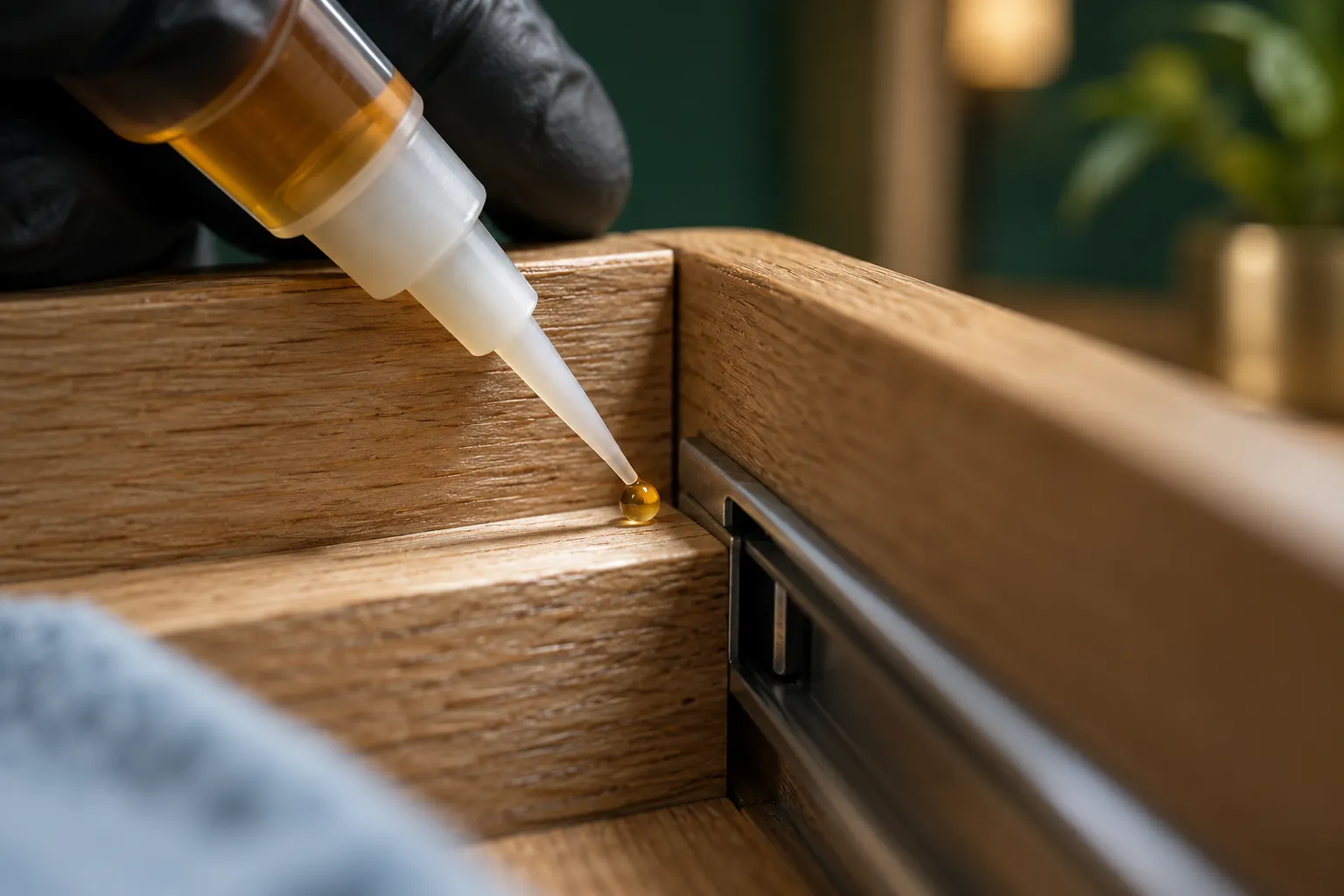
Most of the work in a facility is done without spray: gel deep in hinges and cracks, stations that can’t be opened by hand, and sealing entry points. That way residents stay in their rooms and staff keep working. When spraying is still needed, I do it in a room that can be cleared, and it goes back into use only after airing.
The nurses, the maintenance staff and the kitchen team see the pests before I do. When they know what to look for and who to tell, I get to the problem while it’s still in one room, not a whole wing.
Residents who don’t leave their room
A bedridden resident, a patient on oxygen or a resident with dementia who gets confused by a change of room. In rooms like these I choose a method that doesn’t require clearing the room, and agree on the time with the head nurse.
Dementia and things on the floor
A resident with dementia might pick a station up off the floor or touch a gel spot. So my stations are locked and anchored and stand behind furniture, and the gel goes deep into cracks, not onto exposed surfaces.
Bed bugs arriving with a new resident
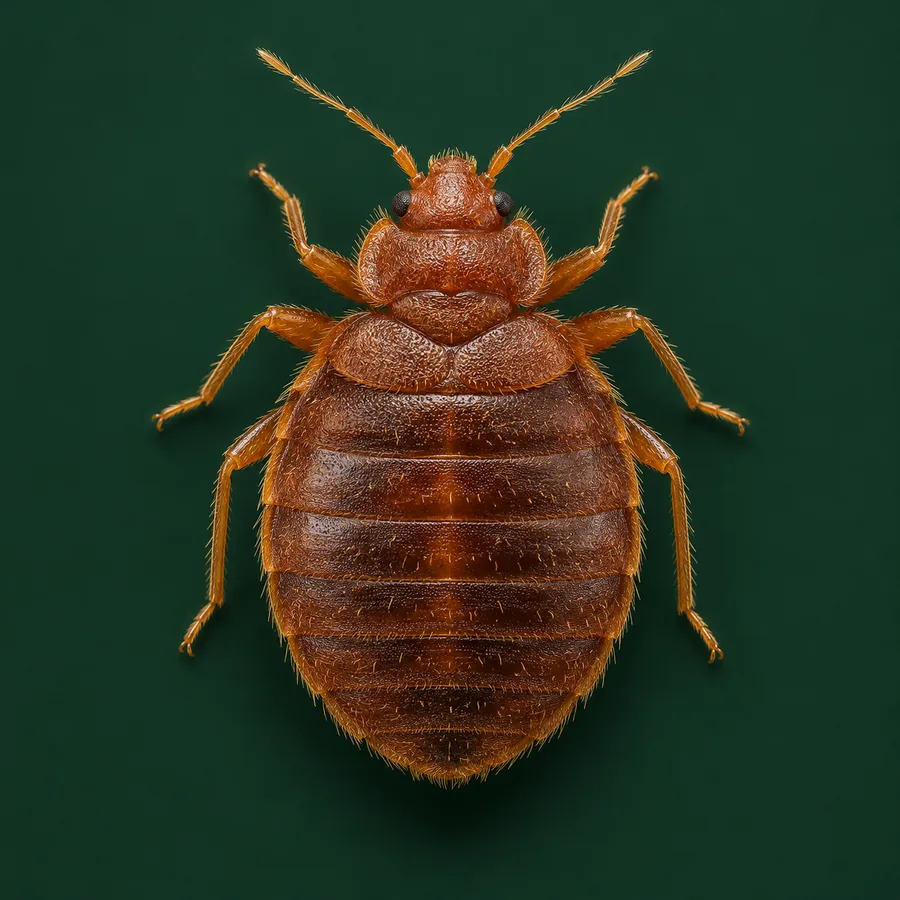
Bed bugs arrive in a suitcase, in an armchair from home or with visitors. In a long-term resident’s room they can stay for weeks without anyone noticing, because not every elderly resident reacts to bites or reports them.
Institutional kitchen and laundry
A kitchen that cooks for dozens of residents, a dining room and a laundry that takes in bedding from every ward are where cockroaches and mice settle in. Treating them has to fit around mealtimes.
A building that never closes
A care home runs around the clock. There’s no empty hour like in an office, so I work wing by wing, in an order we agree on in advance, at times when the corridors are quieter.
Supervised facilities go through inspections, and the requirements vary with the type of facility and the supervising body. I don’t replace your supervisory guidelines. I adapt the work and the records to what your inspector asks to see.
A licensed exterminator and information in advance
Under the law regulating sanitary pest control work, pest control is carried out by an exterminator licensed by the Ministry of Environmental Protection, who must give information about the product and its risks before the treatment. In a facility, I give this information both to management and to the head nurse of each wing.
Records for every visit
After every treatment you get a report: date, areas, findings, products and where the stations are. When an inspection comes, you have a full picture of what was done over time, not just at the last visit.
The kitchen, separately
A kitchen that prepares food for residents is usually subject to its own sanitation requirements. I treat it after meals and document it separately, so those records are easy to show on their own.
- 1
Meeting management and staff
I meet the facility director or the maintenance manager, together with the head nurse. We go over the pests that were seen, the sensitive rooms and the wards’ schedules.
- 2
Survey and map
I go through the kitchen, the dining room, the laundry, the storerooms, the yard and the residents’ rooms where signs were seen. Every station I place gets a number and a spot on the map.
- 3
A room-by-room plan
Each area gets a set time and method. A bedridden resident’s room is treated without spray. The kitchen is treated after lunch. A room that can be cleared is treated while the resident is at an activity in the shared lounge.
- 4
Treatment and an update for each wing
I work to the plan, and when I finish each wing I tell the nurse what was done and what to keep an eye on over the next few days.
- 5
Regular follow-up
For a facility I recommend regular visits to check the stations and look over rooms where something was reported, plus a direct WhatsApp line from the staff to me.
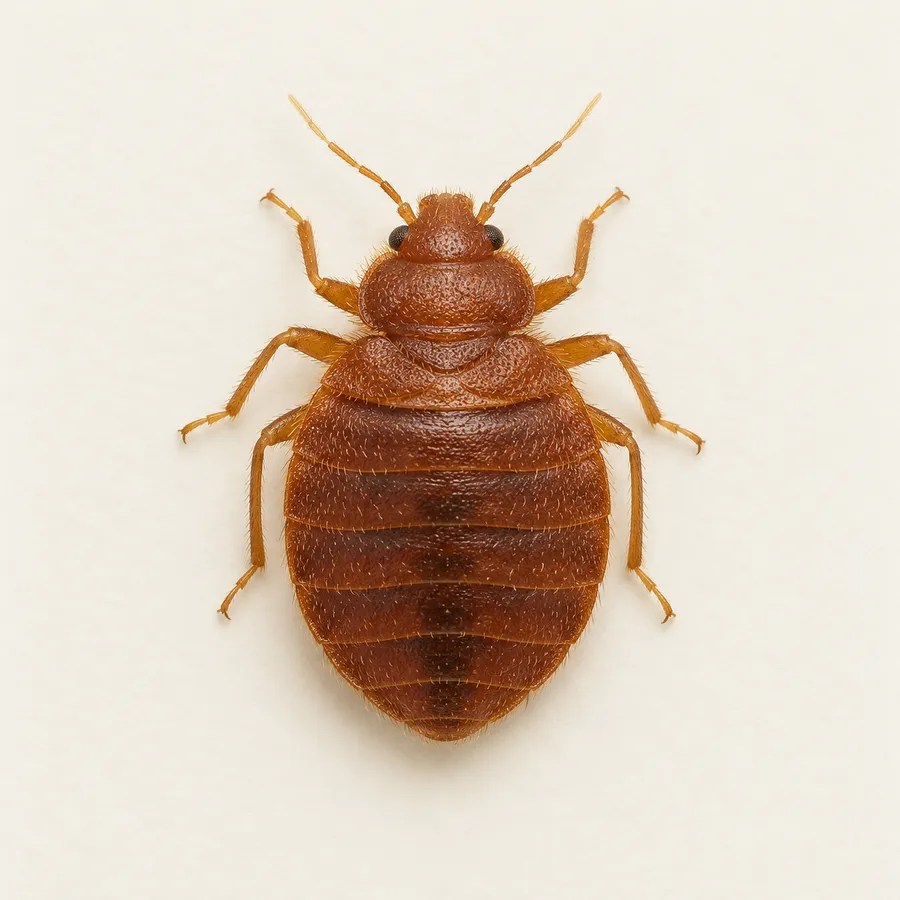 Bed bugs They come with new residents, furniture from home and visitors. I show the staff how to check mattress seams and bed frames, and treat the room in full coordination with the ward.From ₪1,000
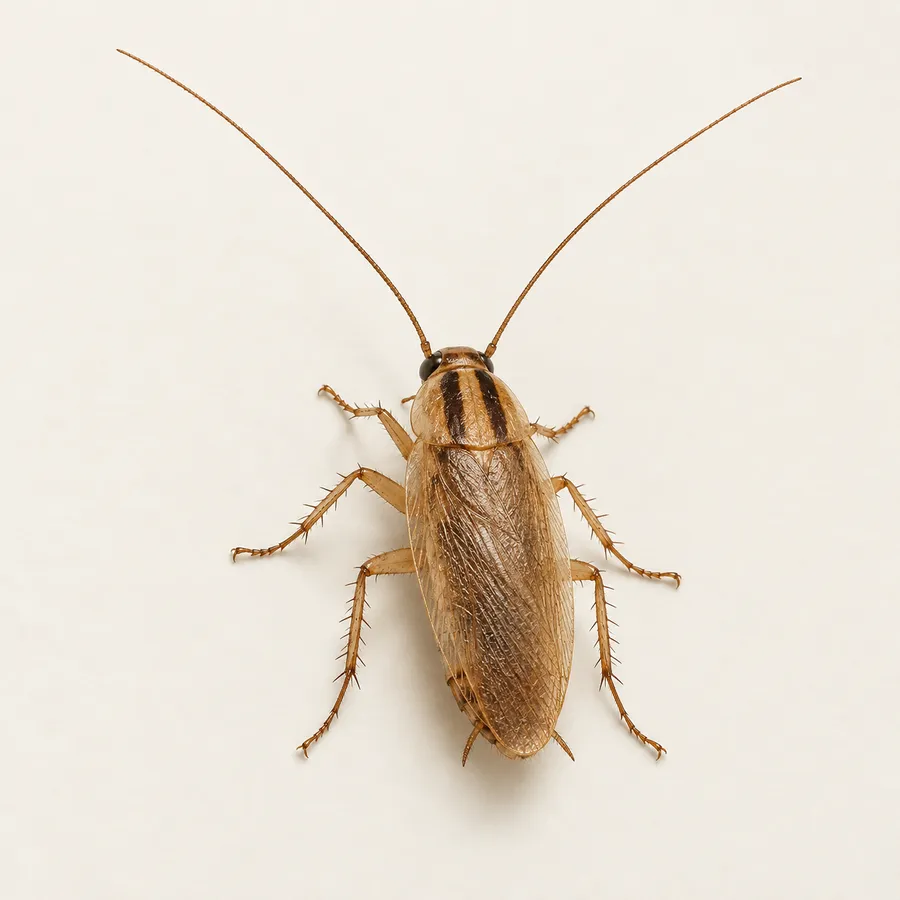 Cockroaches In the institutional kitchen, the dining room and the shared bathrooms. I treat with gel and bait after meals, without spraying near food.From ₪350
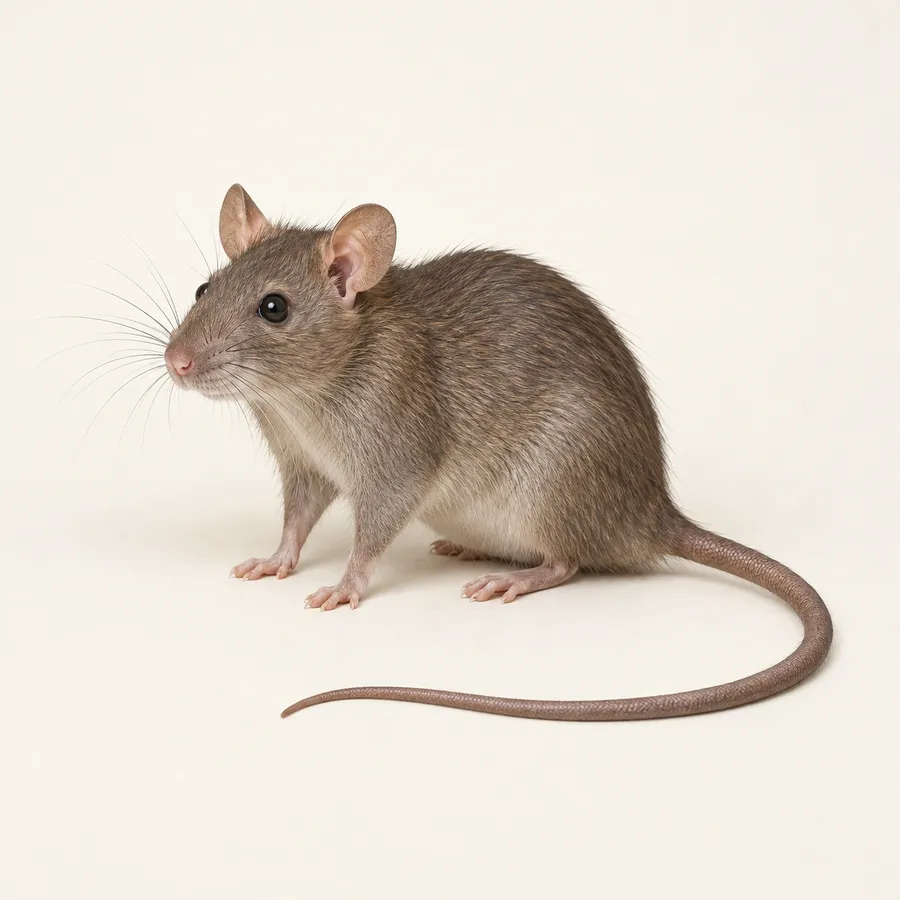 Rodents They get in through the kitchen, the waste area and the storerooms. Outside I place locked stations, and inside, traps in places residents can’t reach.From ₪350
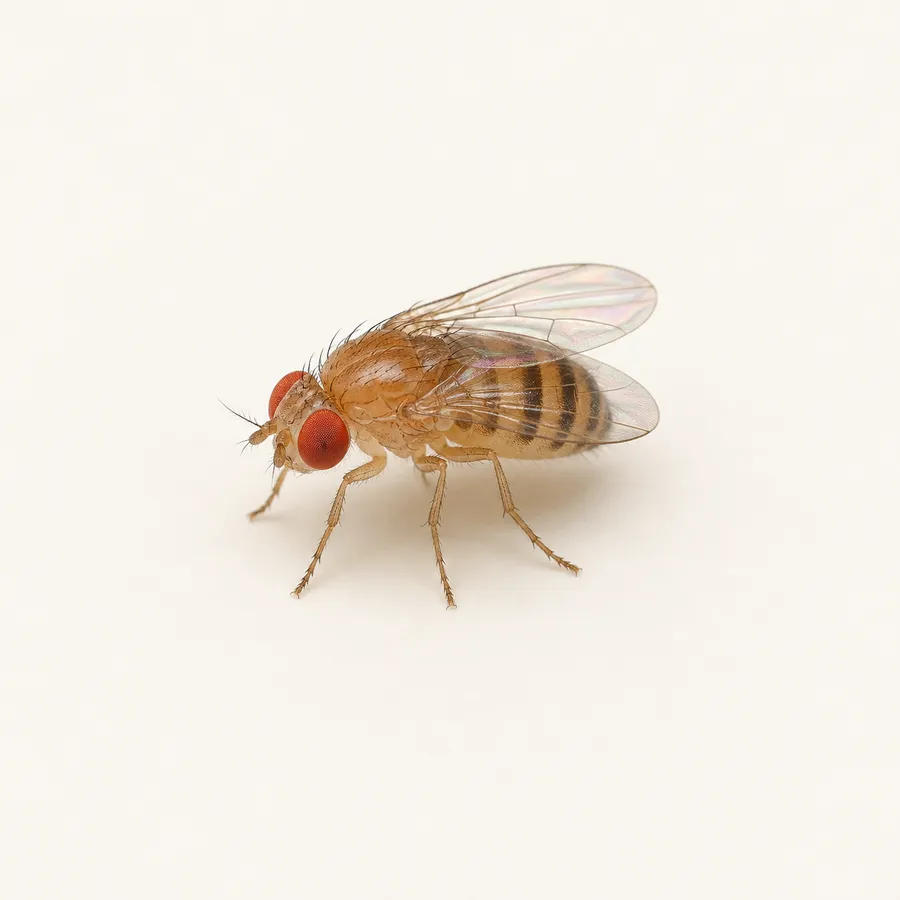 Flies and gnats In the dining room, near the waste and through open windows in summer. Intact screens and clean drains take care of most of the problem before any product is needed.From ₪350
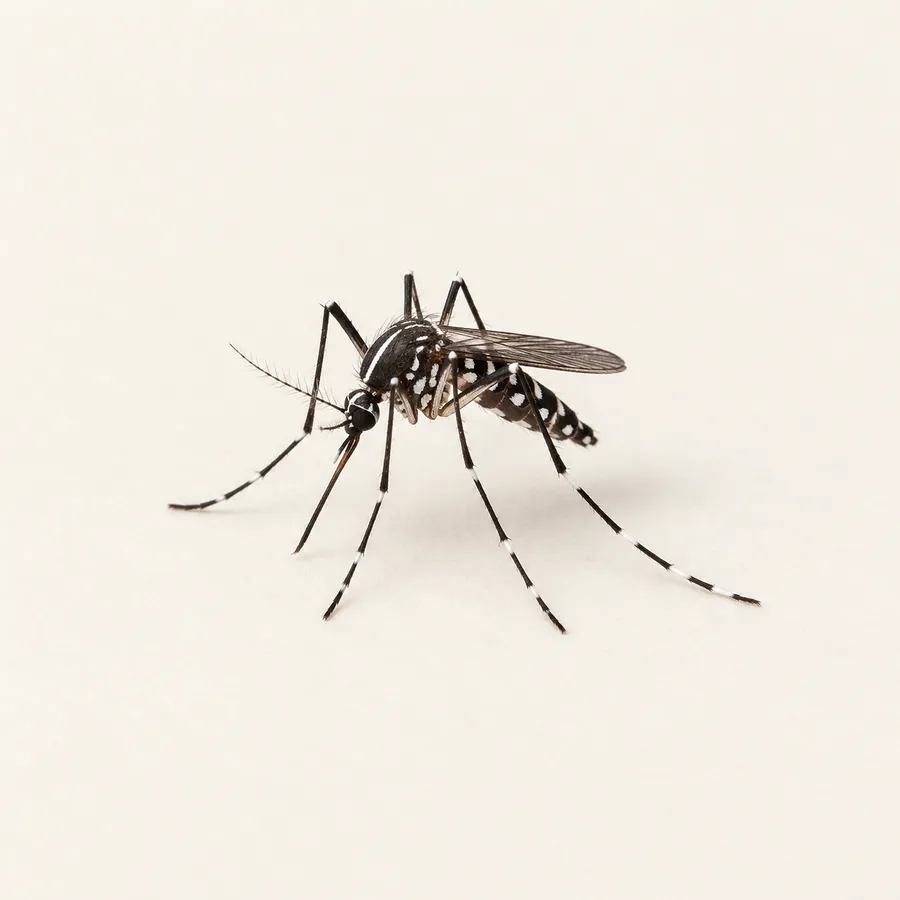 Mosquitoes In the yard where residents sit in the afternoon, near plant pots and gutters. I treat the water sources and schedule work in the yard for times when it’s empty.From ₪600
 Pigeons On window sills and in air conditioner enclosures next to residents’ rooms. Droppings that pile up by an open window are a health hazard, so I close off the landing spots with netting or spikes.From ₪1,200
First, who is in the room
Before each room I check with the staff who lives there: breathing problems, oxygen, allergies, dementia. That decides the method and the time.
No smell and no fogging
I work with odorless products, and I don’t use fogging or release any product into the air inside a building where people live.
Re-entry instructions for the nurse
If I sprayed a room, the staff know exactly when the resident can go back in and how to air it. I give the instructions to the head nurse, not just to the director.
Food, medication and medical equipment
I don’t treat near medication carts, open medical equipment or prepared food. Anything that needs covering or moving, I ask for in advance.
When I come. At a clinic, after opening hours or on a day it’s closed. At a care home, mid-morning or in the afternoon, when most residents are in the shared lounge or resting, and in the kitchen after the meal. The order of the wings is agreed with the staff in advance.
For a facility the price is set after a survey, based on the size of the building, the number of wings and rooms and how often I visit. For a small clinic I can give a price from a conversation and photos.
| Property or treatment | Price |
|---|---|
| Small clinic or practice | From ₪450 |
| Bed bugs, one resident’s room | From ₪1,000 |
| Care home: kitchen, dining room and shared areas Most common | From ₪1,100 |
| A whole facility or several wings, based on an on-site survey | From ₪1,800 |
What changes the price
- The number of wings and rooms that need treatment
- How many rooms need work without clearing them
- How often the regular visits are
- The supervising body’s record-keeping requirements
Care home
Black spots on a new resident’s mattress
A nurse noticed black spots in the mattress seam, two weeks after a resident arrived with an armchair from home. I checked her room and the two rooms next to it. I treated the room and the armchair while she was at an activity in the shared lounge.
At the follow-up visit there were no new signs, and the neighboring rooms stayed clear too.
Ground-floor clinic
Cockroaches in the waiting room
American cockroaches were coming up from a drain in the waiting room toilet. I treated the drain and the gaps around the pipes on a Friday, when the clinic was closed, and left the staff instructions about keeping water in drains that aren’t in use.
On Sunday the clinic opened as usual.
A resident is bedridden. How do you treat their room?
Without spray. In a room like that I work with gel deep in cracks and hinges, locked stations behind furniture and monitoring traps. If there are bed bugs, we coordinate with the staff to move the resident to another room for a few hours, and we don’t treat the bed while they’re lying in it.
Who needs to be told before pest control in a facility?
Management, the head nurse of each wing, the kitchen team and maintenance. In a care home, also let the families of residents whose rooms were treated know, so they aren’t surprised by a station under the dresser. I prepare a short text you can send them.
How often does a care home need pest control?
In a facility with a kitchen, a yard and residents who come and go, I recommend a regular visit, usually once a month or every two months, with a station check and a look at rooms where something was reported. The frequency is set by what the stations show and by what your supervising body expects to see.
How do you keep bed bugs from coming in with a new resident?
Set an intake procedure: open suitcases and bags on a hard floor, wash clothes hot before they go into the wardrobe, and don’t bring in upholstered furniture from home without checking it. In the first few weeks, staff should check the mattress seams when they change the bedding. I can train your staff to do this check.
Can a clinic be treated without canceling appointments?
Yes. In most cases I come after opening hours or on a day the clinic is closed, and use gel and stations that don’t require clearing rooms. If a treatment room needs spraying, I tell you in advance how long it will stay empty and when you can work in it again.
What do you need from us before the first visit?
A list of wings and rooms, where and when pests were seen, which rooms are especially sensitive, mealtimes and a contact person who’s available in each wing. If you have records from previous treatments, they save me time and show where the problem keeps coming back.
Residents sit in the garden every day. When do you treat it?
When the garden is empty, usually in the morning before the residents come out or after they’ve gone back in. In a facility’s yard I prefer closed stations and treating water sources over spraying. If I did spray an area, it’s marked, and the staff know when it’s fine to sit there again.
We’re assisted living or a hostel, not a care home. Is this right for us too?
Yes. Assisted living, hostels and residential homes are similar to a care home: people live, eat and sleep in the same building, and they can’t leave it for a few hours every time there’s a treatment. The difference is mainly the schedule and who lives there. Educational institutions for children have their own page, because the requirements there are different.