
In short
For office pest control I come once the staff have gone home or on a Friday, and treat the places pests actually live: the kitchenette, the coffee machine, snack drawers, the drop ceiling and the electrical rooms. I work with gel, bait and closed stations, and I don’t spray near electronic equipment. The next morning the office opens as usual, and you have a short text to update your staff.
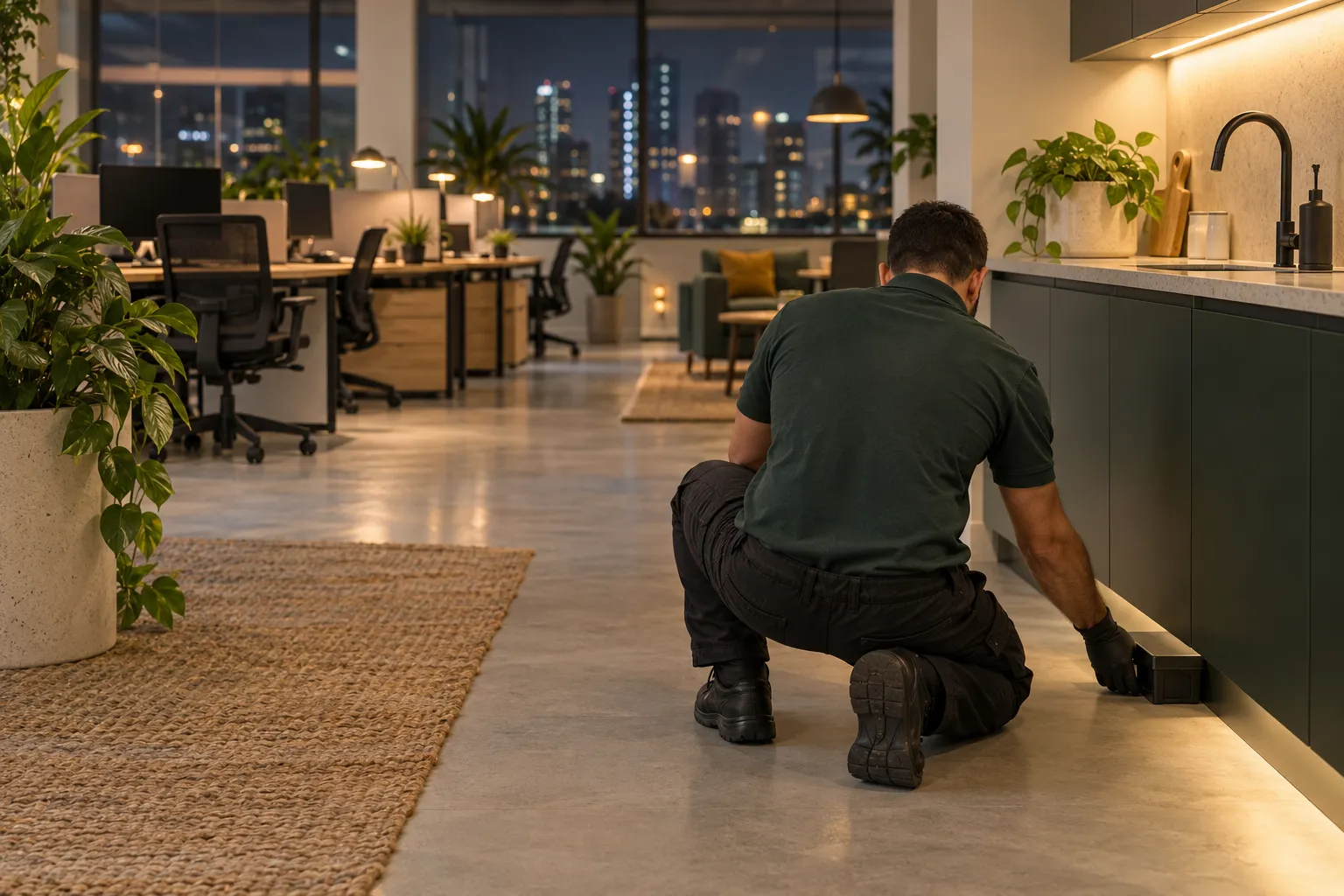
In an office, nobody feels responsible for the first cockroach. An employee sees it, posts a photo in the office group, and the message only reaches the manager once there are already ten. Most of the calls I get from offices start in the kitchenette, and from there the problem spreads to the meeting room and to desks with food on them.
Office treatment has to be planned around the working day. You can’t close a floor at lunchtime, and the server room can’t be sprayed. So I come when the office empties out, use methods that don’t require anyone to leave, and keep my distance from all electrical equipment.
An office building usually has a management company in charge of the lobby, the trash room and the parking garage. I treat your space, and if I see that the source is in a shared area, I tell you so you can take it up with the management company.
The kitchenette and the coffee machine
A dishwasher, a shared fridge, a coffee machine and an organic waste bin that’s emptied once a day. The German cockroach loves the warmth inside coffee machines and dishwashers, and that’s where I start looking.
Food on desks and in drawers
Open snacks in a drawer, a fruit bowl in the meeting room and delivery packaging left overnight. Ants find them within a day, and cockroaches move between them at night.
Drop ceilings and raised floors
The space above the acoustic ceiling and under the raised floor connects the rooms, and both mice and cables run through it. A mouse that chews through a network cable can knock out a workstation.
Server room and electrical cabinet
Warm, dark and rarely visited. That’s exactly why cockroaches and mice end up there. In these rooms I don’t spray at all, and work only with gel in wall cracks and closed stations on the floor.
- 1
A conversation with your contact person
I talk to whoever is in charge of the office: where pests were seen, when, and what the working hours are. If staff have photos, they help me identify the pest before I even arrive.
- 2
An inspection at a quiet hour
I go through the kitchenette, the meeting rooms, the storeroom and the electrical rooms, and lift ceiling tiles at suspicious spots. The inspection sets the scope of the treatment and the price.
- 3
Treatment after working hours
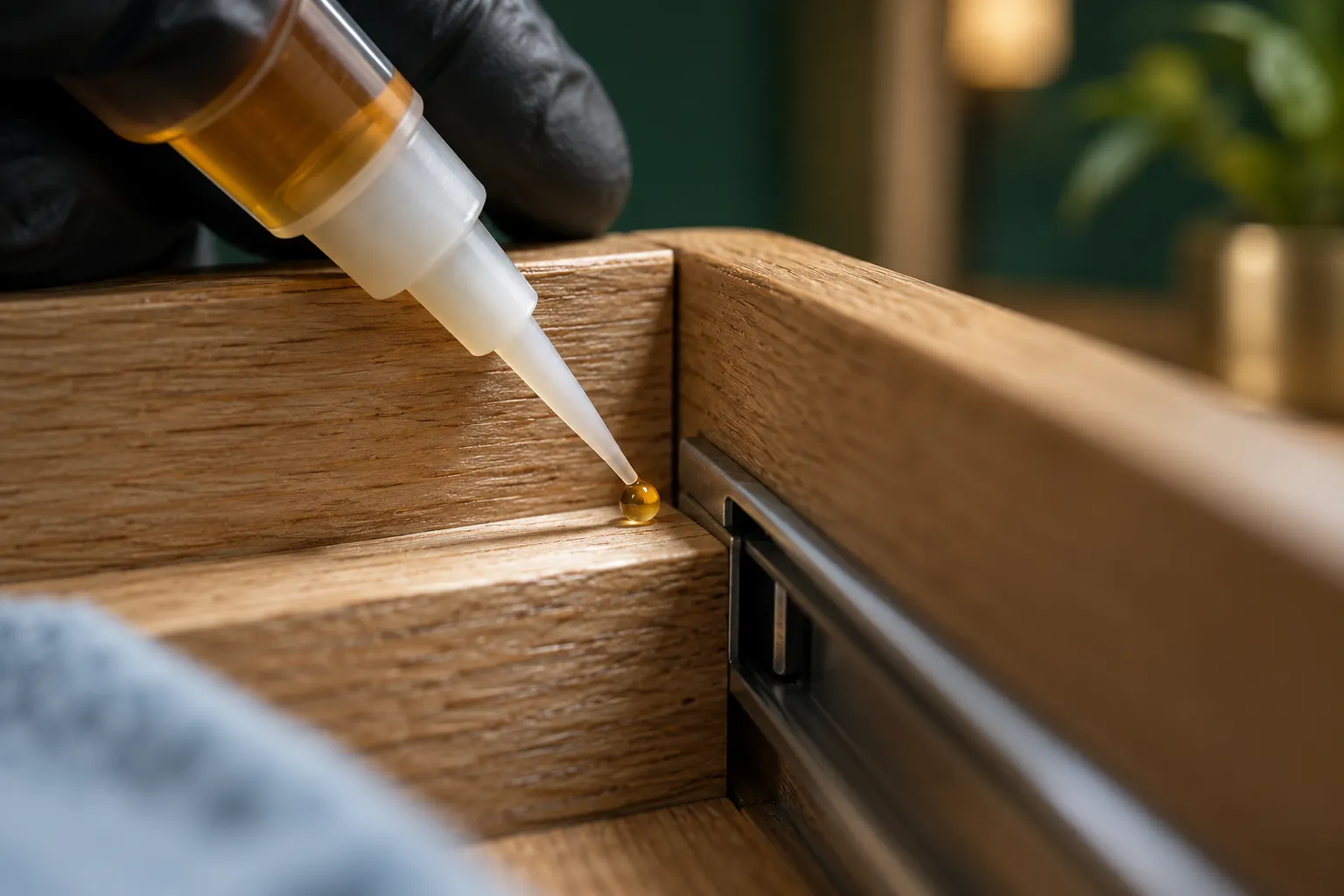
Gel in the hinges and inside the kitchenette cabinets, closed bait stations above the ceiling and in the storeroom, and sealing gaps around pipes. No spraying near computers, servers or electrical panels.
- 4
A notice for staff
I leave you a short text to send your staff: what was done, where the stations are, that nobody should move them, and that the gel spots inside the cabinets shouldn’t be wiped.
- 5
Follow-up visit and monitoring
After 2–3 weeks I come back to check. An office that wants long-term peace and quiet can book regular visits with me to check the stations.
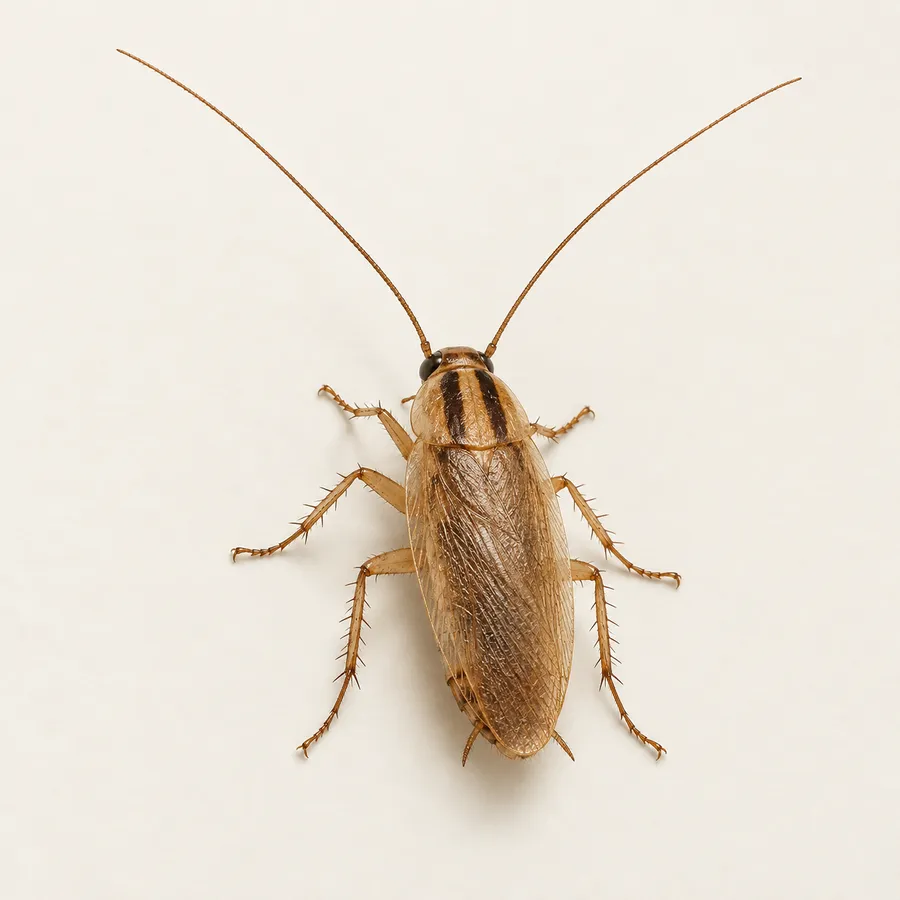 Cockroaches Mostly German cockroaches in the kitchenette, the coffee machine and the dishwasher. In older buildings also the American cockroach, which comes up from the toilet drains.From ₪350
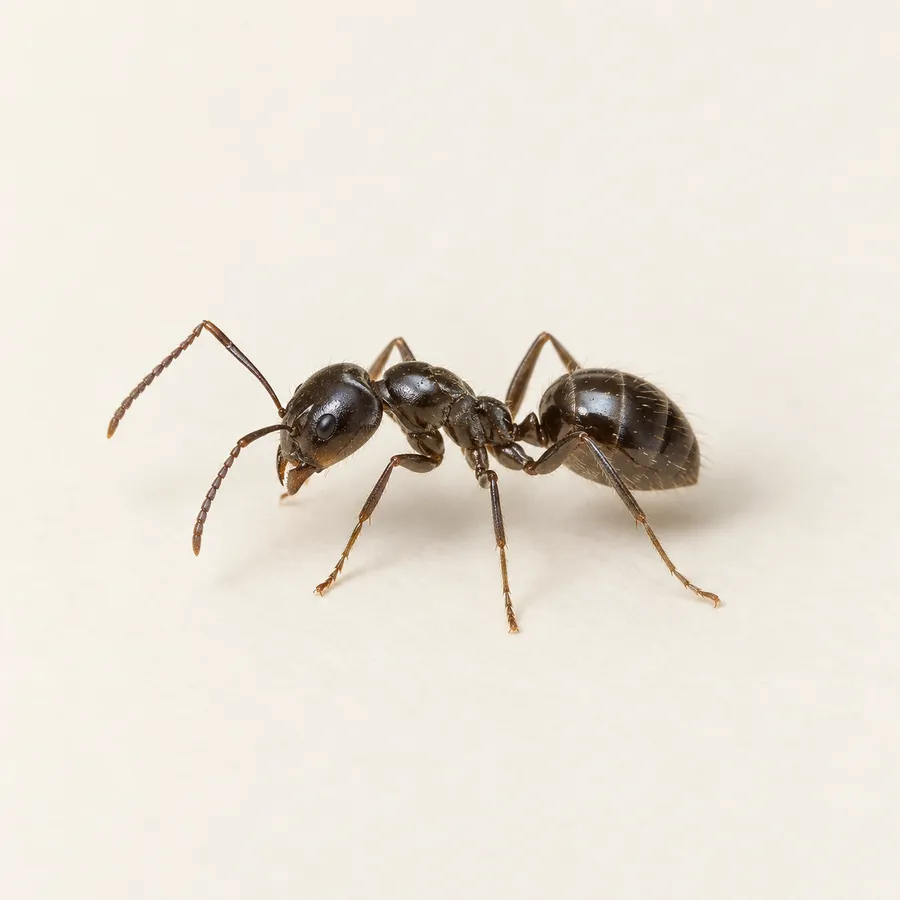 Ants They go for the snacks on desks and the sugar in the kitchenette. I find the spot where they come out of the wall and put the bait there, not on the desks.From ₪350
 Rodents They travel through the drop ceiling and the cable spaces, and leave droppings near the kitchenette. I place closed stations above the ceiling and seal the openings I find.From ₪350
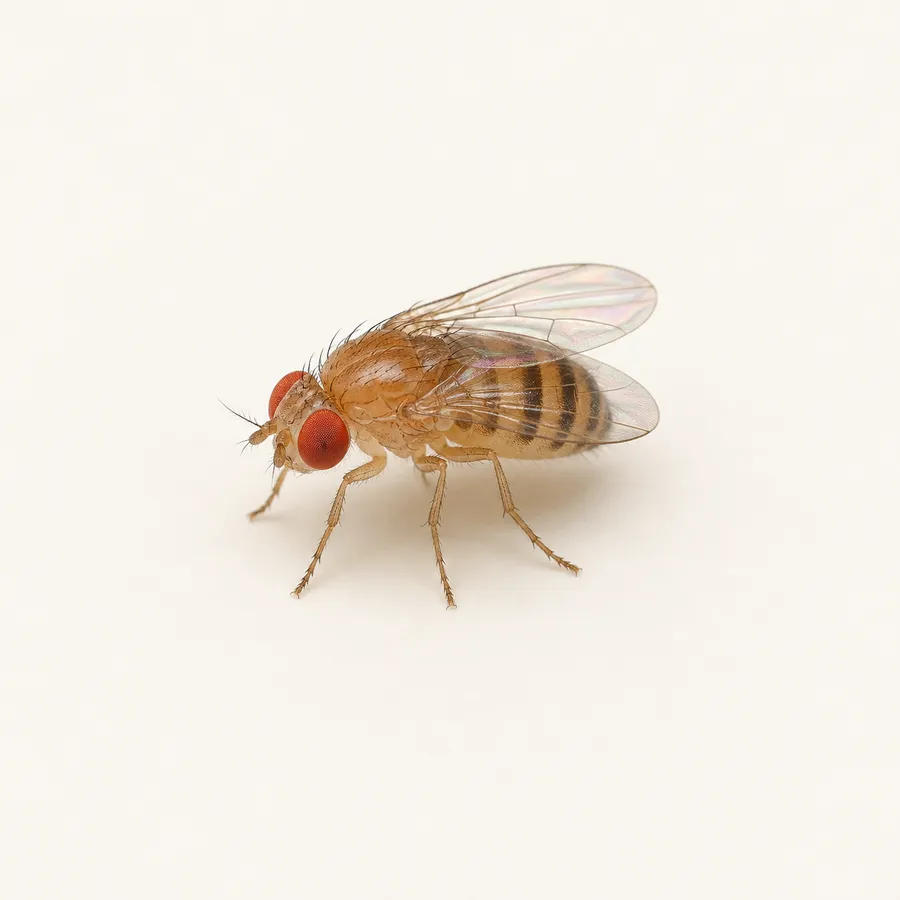 Flies and gnats Fruit flies around the organic bin and the plants, and drain flies in toilets that don’t get used much. The fix here is mostly cleaning the drain and emptying the bin every evening.From ₪350
 Pigeons On window sills, on air conditioner units on the balcony and on the roof. Netting or spikes stop nesting and droppings above the office entrance.From ₪1,200
No spraying near equipment
I don’t spray in the server room, near electrical panels or at computer workstations. Spray shouldn’t get anywhere near electronics, and gel and stations do the job there.
Sensitive employees
If an employee is pregnant or has asthma or allergies, tell me in advance. Gel and bait need no preparation, and if a room does need spraying, I tell you when it’s fine to go back in.
Stations nobody moves
The stations are closed and locked, and I place them under furniture and above the ceiling. I ask the staff and the cleaning crew not to move them or throw them away.
The evening cleaning crew
If a cleaning company works in your office in the evening, we’ll coordinate with them in advance. Washing the shelves I treated or wiping off the gel spots undoes part of the treatment.
When I come to the office. Usually in the late afternoon, after most of the staff have left, or on a Friday when the office is closed. Gel and bait can also be placed during working hours, in a room that isn’t in use. When spraying can’t be avoided, I schedule it for the weekend so there’s time to air the space out.
The price for an office depends on the size of the space, the number of kitchenettes and how many floors are involved. For a small office I can give a price from photos and a conversation. For a large office I come for a short inspection, and then I tell you what it will cost.
| Property or treatment | Price |
|---|---|
| One kitchenette, cockroaches or ants Most common | From ₪390 |
| Rodents in the office, including stations above the ceiling | From ₪550 |
| Office with several kitchenettes and a server room | From ₪750 |
| A full floor or several floors, based on an on-site survey | From ₪1,200 |
What changes the price
- The number of kitchenettes, toilets and storerooms
- Access to the drop ceiling and the cable spaces
- A one-off treatment or regular visits through the year
Small tech office
Small cockroaches in the coffee machine
Staff saw cockroaches near the coffee machine in the morning. I found a hotspot in the base of the machine and in the dishwasher next to it. I put gel in the cabinet hinge and in the cracks around the dishwasher, and asked them to empty and clean the drip tray every evening.
At the follow-up visit there were no cockroaches in the kitchenette.
Law firm
Droppings on the meeting room carpet
A mouse was moving through the drop ceiling from the kitchenette to the meeting room. I placed closed stations above the ceiling, closed a gap around the air conditioner pipe, and the staff got a short notice about what was done.
Within two weeks, activity at the stations stopped.
Do staff need to leave the office during the treatment?
In most cases, no. Gel and bait in closed stations don’t require anyone to leave, and I can work even when there are people in the next room. If a particular room needs spraying, I do it after working hours and tell you when you can go back in and how to air it out.
What do you tell staff after office pest control?
I leave you a short text: when the treatment took place, in which rooms, where the stations are and what not to do, such as moving a station or wiping the inside of the kitchenette cabinets. Staff who know what’s going on report a new cockroach sooner, and that helps me catch a problem while it’s still small.
We have a server room. Can it be treated at all?
Yes, without spraying. In a server room I place closed stations on the floor and under the raised floor, and put gel in wall cracks, not on the equipment. I don’t open network cabinets and I don’t touch cables. If I need access to a sensitive area, I work alongside your IT person.
How often does an office need pest control?
An office with no active kitchen and no history of pests needs treatment when there’s a problem, and no more. An office with several kitchenettes, shared food, or in an older building benefits from regular station checks, for example once a quarter. I suggest a frequency based on what I found, and adjust it if things change.
We rent an office in a building with a management company. Who is responsible for pest control?
Usually the management company is responsible for shared areas like the lobby, the trash room and the parking garage, and you’re responsible for your own space. Check what your lease says. If I see that the pests are coming from a shared area, I describe what I saw, so you can go to the management company with the details.
Can we get a treatment report for management?
Yes. After every treatment I send a short report: what I found, which rooms I treated, which product I used and where the stations are. Offices that deal with a management company or a head office pass the report on, and it saves a lot of questions.
Staff bring their dogs to the office. Is that a problem?
No, I just need to know in advance. I place the stations where a dog can’t reach them, and if I sprayed a room, the dog stays out until I say it’s fine. The day after the treatment, make sure the dog’s water bowl wasn’t standing in a treated area.
We saw one cockroach in the meeting room. Is that worth a treatment?
One cockroach with no other signs can be a random visitor from a drain or from a box that came from a supplier. Send me a photo and I’ll tell you which cockroach it is. A small German cockroach points to a hotspot in the kitchenette and is worth checking. A large American cockroach sends me to the toilet drains first.